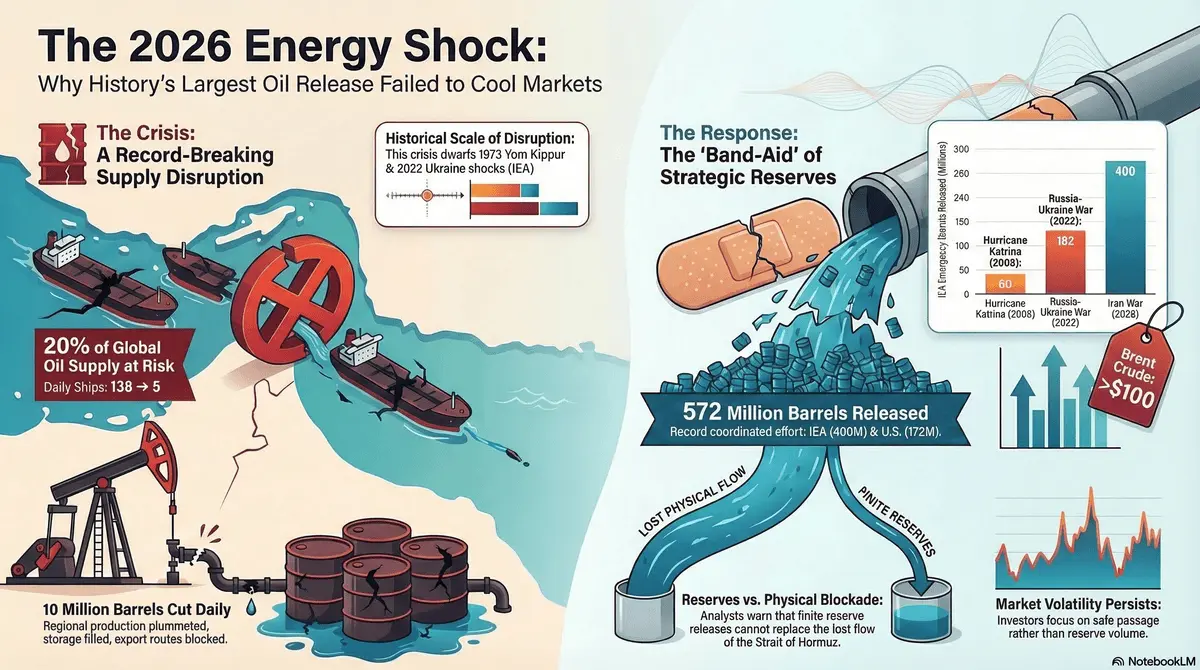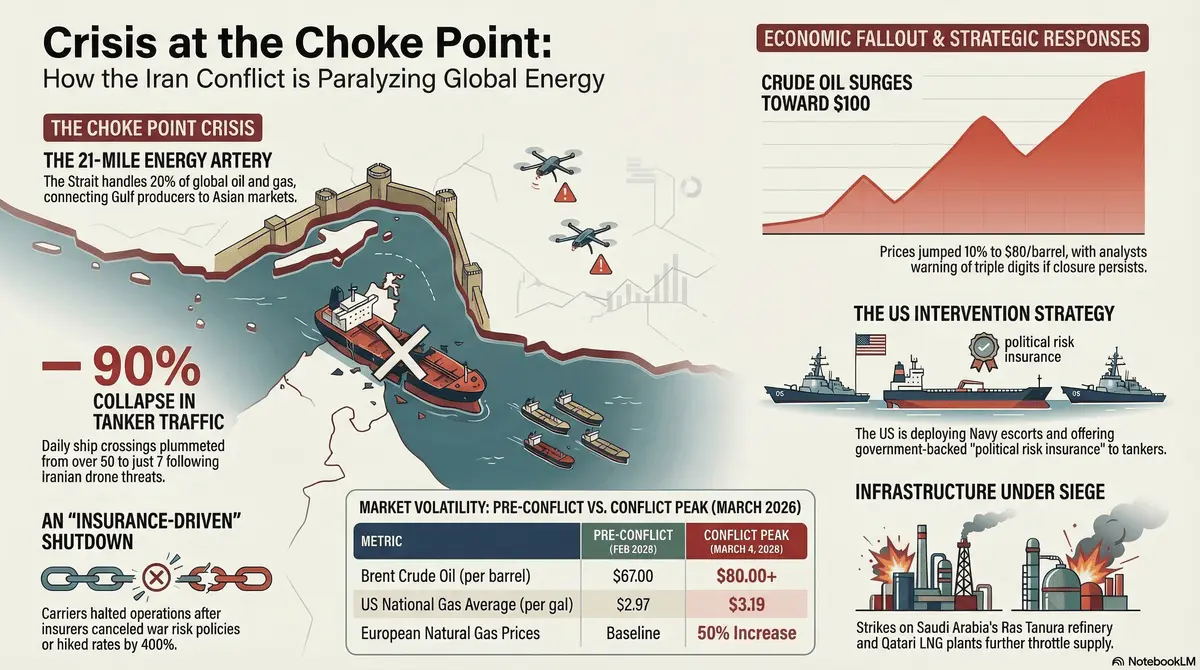
Dubai/Washington — Escalating military conflict involving the United States, Israel, and Iran has brought shipping through the critical Strait of Hormuz to a near standstill, threatening global energy markets and supply chains. Commercial vessel traffic plummeted by roughly 90 percent following targeted drone strikes and maritime threats that began on February 28, 2026. In response, President Donald Trump has directed the United States Navy to escort tankers and offered federal insurance to mitigate soaring risks for global shippers.
Below is a detailed breakdown of the conflict’s impact on energy supply, international shipping, and the broader global economy.
Context & Background
How did the closure of the strait occur? Rather than a traditional naval blockade, Iran effectively closed the Strait of Hormuz by deploying relatively inexpensive drones to attack nearby vessels and energy infrastructure. Following these strikes and explicit threats from Iranian officials to burn passing ships, major shipping companies and maritime insurers instituted an insurance-driven shutdown. This coverage gap forced over 150 vessels, including crucial liquefied natural gas (LNG) and oil tankers, to anchor outside the gulf or reroute entirely.
Why is this waterway critical to global energy? The Strait of Hormuz is a narrow, 21-mile-wide passage connecting the Persian Gulf to the Gulf of Oman, through which approximately 20 percent of the world’s crude oil and seaborne gas passes daily. With limited alternative pipelines available in countries like Saudi Arabia and the United Arab Emirates, most fuel volumes exiting the region rely entirely on this marine choke point. Any disruption in this area triggers immediate volatility in global energy markets.
Who are the key players in the economic response? Alongside the warring nations of Israel, Iran, and the United States, major global shipping conglomerates such as Maersk, MSC Group, and Hapag-Lloyd have paused regional operations. To counter the economic freeze, Donald Trump ordered the United States Development Finance Corporation to offer political risk insurance to shippers, aiming to reduce the financial threat of navigating a war zone. Additionally, the United States Navy is prepared to deploy destroyers to escort merchant vessels, echoing tactics used during the tanker wars of the 1980s.
Q&A: Unpacking The Energy Shipping Crisis
Q: How are these supply chain disruptions impacting global oil and natural gas prices?
A: The sudden halt of maritime traffic and attacks on regional refineries have caused immediate, sharp increases in energy commodity costs.
- Crude Oil Surge: Following the outbreak of hostilities, Brent crude prices jumped over 10 percent, reaching approximately $80 per barrel as traders reacted to the supply squeeze.
- Natural Gas Spikes: Europe natural gas prices soared by more than 50 percent shortly after a drone strike forced the closure of QatarEnergy‘s Ras Laffan facility in Qatar.
- Refining Bottlenecks: The attack on Saudi Aramco‘s Ras Tanura refinery in Saudi Arabia, which processes 550,000 barrels daily, further reduced the available output of refined fuels.
Q: Why has the United States government stepped in to provide maritime insurance?
A: Commercial insurers have either canceled coverage or drastically raised rates, making passage financially unviable for shipping companies without government intervention.
- Skyrocketing Premiums: War risk insurance rates surged from 0.25 percent to 1.25 percent of a vessel’s total value, effectively pricing many operators out of the route.
- Federal Backing: The United States Development Finance Corporation was mobilized to offer subsidized political risk insurance to ensure the continued free flow of goods and capital.
- Logistical Hurdles: Despite this federal offer, industry experts warn that the agency’s finite budget and strict regulatory requirements may limit the immediate effectiveness of the program.
Q: How does the conflict threaten domestic inflation and consumer costs in the United States?
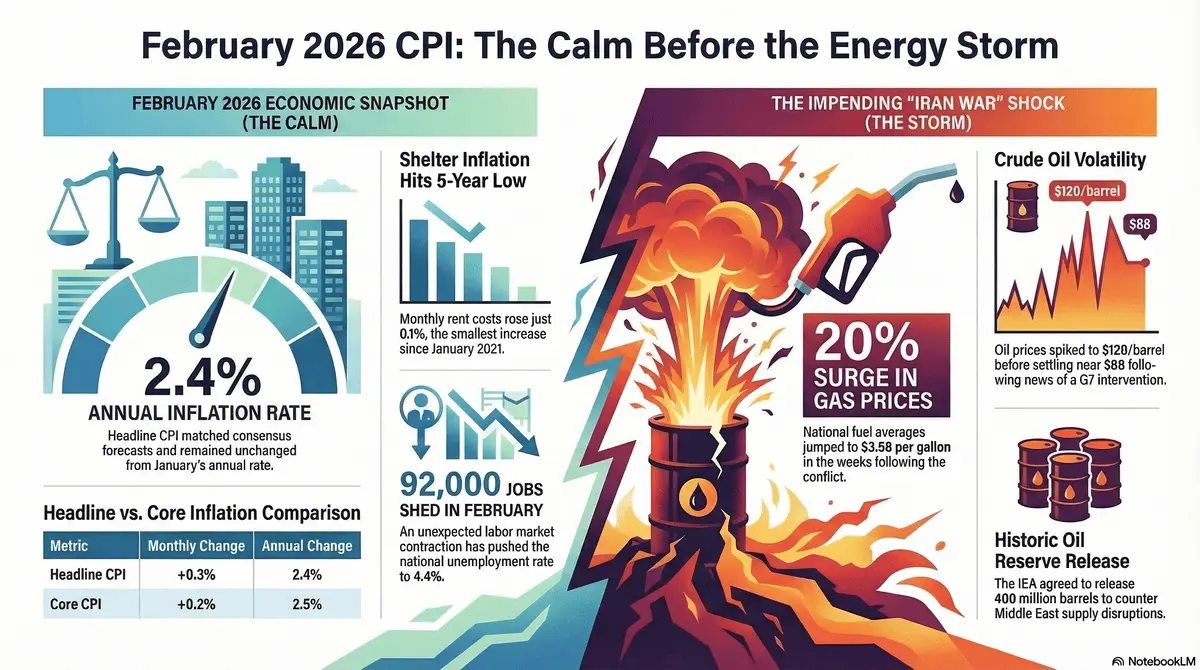
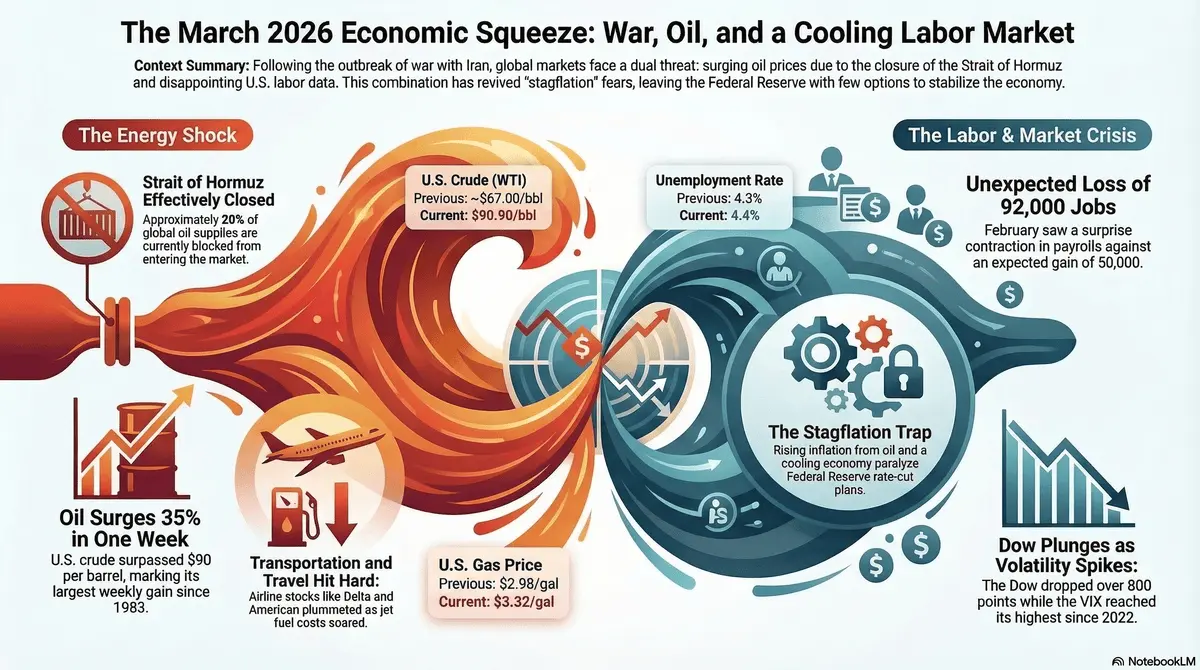
A: Rising crude oil prices typically translate to higher fuel costs at the pump, which in turn elevates transportation expenses across the broader economy.
- Gasoline Price Hikes: The national average for gasoline recently reached $3.19 per gallon, with analysts projecting further increases as refiner margins absorb higher crude costs.
- Supply Chain Inflation: Sustained energy inflation increases the cost of transporting goods by air, sea, and road, which can lead to higher prices for groceries and everyday retail items.
- Interest Rate Pressures: If energy-driven inflation persists, the Federal Reserve may be forced to keep interest rates higher for a longer duration, impacting consumer loans and mortgage rates.
Q: Why might the United States domestic oil industry benefit from this Middle Eastern instability?
A: As the world’s largest producer of both oil and natural gas, the domestic energy sector stands to profit from elevated global market prices.
- Production Margins: American shale oil producers, particularly those in the Permian Basin of Texas, face breakeven costs around $61 to $62 per barrel; current prices well above this threshold ensure high profitability.
- Corporate Consolidation: Major non-national energy corporations like ExxonMobil and Chevron recently executed multi-billion-dollar acquisitions to expand their shale and offshore drilling operations, positioning them to capitalize on the supply vacuum.
- Export Advantage: With Middle Eastern LNG supplies disrupted, American natural gas exporters can command higher premiums on the international market, especially from buyers in Europe.
Q: How are regional allies and international bodies responding to the shipping crisis?
A: Most major international shipping firms have halted operations, while regional actors attempt to mitigate infrastructure damage and logistics blockades.
- Corporate Suspensions: Global leaders such as Maersk, CMA-CGM, and Emirates SkyCargo have suspended all non-essential bookings through the Strait of Hormuz.
- Logistical Idling: Approximately 4 percent of global shipping tonnage is currently idle or waiting in ports across Oman and the United Arab Emirates.
- Production Pauses: Producers like Iraq are being forced to shut down output at major oil fields because they lack the storage capacity and cannot export the product through the blockaded strait.
Editorial Note & Transparency
Verification Log:
- News Agency Report: The Associated Press reporting on initial vessel traffic drops, oil prices, and government interventions.
- Analytical Feature: The Guardian and NPR providing market analysis on drone tactics, natural gas spikes, and insurance barriers.
- Economic Analysis: NBC News and regional financial op-eds detailing inflation risks, Federal Reserve impacts, and domestic shale oil profit margins.
Compliance:
- Privacy: This article respects user data under our Privacy Policy.
- Transparency: No sponsored content influenced this reporting.
Contact Us: For corrections or feedback, please email: news.desk@qnanews.com