Category: Health

  • Colorectal Cancer Emerges as Leading Cause of Cancer Death for Adults Under Fifty

    Colorectal Cancer Emerges as Leading Cause of Cancer Death for Adults Under Fifty

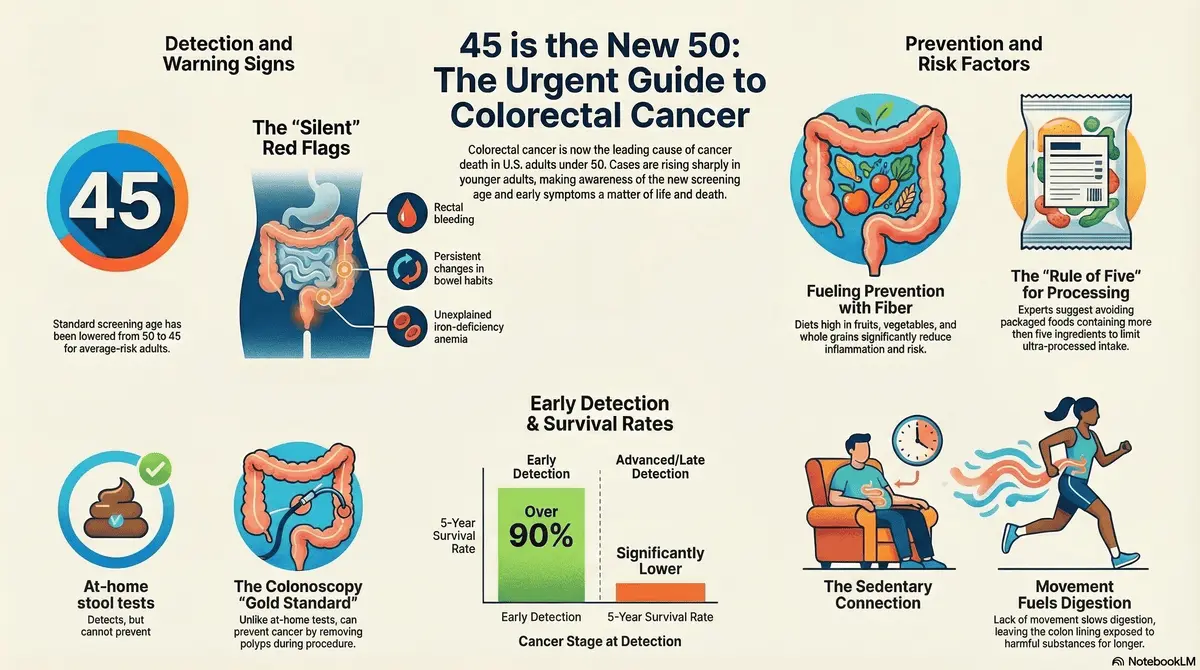
    Washington/New York — Colorectal cancer has officially become the leading cause of cancer-related deaths among adults under the age of fifty in the United States. Following updated medical guidance publicized heavily on March 12, 2026, health professionals are urgently warning younger demographics to prioritize early screenings and remain vigilant about subtle symptoms. Driven by shifting dietary habits, sedentary lifestyles, and newly discovered tissue biomechanics, the disease is increasingly presenting at advanced, harder-to-treat stages in younger populations.

    Below is a detailed examination of the early-onset colorectal cancer epidemic and the preventative strategies currently advised by the medical community.

    Context & Background

    What is driving the increase in early-onset cases? Experts point to a complex combination of sedentary lifestyles, obesity, and diets high in ultra-processed foods and red meat as primary catalysts. Researchers also suspect a birth cohort effect, suggesting generations born after the 1950s have been exposed to progressive environmental risks, with microplastics emerging as a highly suspected, though unproven, factor.

    How have medical guidelines adapted? In response to the sharp demographic shift in diagnoses, national health organizations have lowered the recommended age for initial colorectal cancer screening from fifty to forty-five for average-risk individuals. Preventive diagnostic tools, specifically colonoscopies, allow doctors to safely identify and extract precancerous polyps years before they can develop into malignant tumors.

    Who are the key medical voices sounding the alarm? Leading epidemiologists such as Rebecca Siegel of the American Cancer Society, alongside gastroenterologists like Dr. Derek Ebner at the Mayo Clinic, are actively working to dispel the outdated myth that colon cancer is strictly an elderly disease. They emphasize that younger patients habitually dismiss critical warning signs like rectal bleeding, assuming they are minor issues, which critically delays life-saving interventions.

    Q&A: Unpacking Early-Onset Colorectal Cancer

    Q: Why is early-onset colorectal cancer frequently diagnosed at highly advanced stages?

    A: Younger patients consistently overlook severe gastrointestinal symptoms and delay preventative screenings due to deeply ingrained misconceptions about their age-related risk levels.

    • Symptom Dismissal: Individuals routinely attribute warning signs, such as bright red blood in the stool, to benign conditions like hemorrhoids, avoiding professional medical evaluation.
    • Screening Protocols: Because standard preventative colonoscopies are generally not recommended or covered by insurance until age forty-five, younger patients rarely receive asymptomatic imaging.
    • Diagnostic Hesitancy: At this time, the exact reason why some primary care providers may overlook cancer symptoms in young adults remains unverified by official sources, though specialists note doctors are traditionally accustomed to treating the disease almost exclusively in elderly populations.

    Q: How do newly discovered biomechanical factors influence tumor growth in younger patients?

    A: Bioengineering studies reveal that early-onset colorectal cancer patients possess abnormally stiff colon tissue that actively promotes aggressive tumor development.

    • Tissue Rigidity: Researchers discovered that both cancerous and surrounding noncancerous colon tissues in younger patients are mechanically stiffer compared to tissues from older colorectal cancer patients.
    • Collagen Accumulation: The extracellular matrix within the colon wall of younger patients exhibits fibrotic characteristics, containing excessive amounts of collagen that rigidify the tissue structure.
    • Accelerated Multiplication: When cancer cells are placed in these artificially stiff, scar-like environments during laboratory testing, they multiply at a significantly faster rate.

    Q: How does modern nutritional intake specifically impact the gut microbiome and cancer risk?

    A: Diets deficient in natural fiber and high in chemical additives disrupt the delicate bacterial balance in the colon, fostering chronic tissue inflammation.

    • Fiber Deficiency: A lack of whole grains, legumes, and vegetables reduces the production of short-chain fatty acids like butyrate, which are necessary to fight inflammation and support colon cell health.
    • Chemical Additives: Ultra-processed foods, which are high in lipids, salt, and preservatives, act as nutrient-poor calories that increase obesity rates—a well-documented cancer risk factor.
    • Bacterial Imbalance: Without a healthy microbiome, the colon lining is exposed to potentially harmful compounds, toxins, and bile acids for longer durations, which accelerates cellular damage over time.

    Q: Why is a sedentary lifestyle considered a direct mechanical threat to colon health?

    A: Chronic physical inactivity drastically slows down digestive motility, increasing the total time toxins remain in direct contact with the vulnerable colon lining.

    • Sluggish Digestion: Extended periods of sitting reduce intestinal stimulation, causing waste and potential carcinogens to linger in the digestive tract rather than passing efficiently.
    • Insulin Disruption: A lack of daily exercise negatively affects insulin sensitivity and regulation, which can foster a biological environment highly conducive to cellular mutations.
    • Inflammatory Response: Sedentary habits contribute to chronic, low-grade inflammation throughout the body, further compromising the immune system’s ability to clear abnormal, precancerous cells.

    Q: How are genetic syndromes and family histories altering preventative screening timelines?

    A: Individuals with specific hereditary conditions or familial histories of the disease are now urged to begin preventative screenings decades before the standard age of forty-five.

    • Familial Proximity: Patients with a first-degree relative diagnosed with colon cancer are advised to begin screening at age forty, or ten years prior to their relative’s initial diagnosis age.
    • Lynch Syndrome: Those carrying this specific inherited DNA mutation face a drastically increased lifetime risk and must undergo colonoscopies as early as twenty to twenty-five years old.
    • Polyposis Conditions: Patients diagnosed with Familial Adenomatous Polyposis carry a nearly guaranteed lifetime risk of colorectal cancer and are heavily recommended to start annual screenings between ten and twelve years old.

    Editorial Note & Transparency

    Verification Log:

    • Medical Organization: Guidelines sourced from the American Cancer Society and National Cancer Institute regarding screening ages and mortality rates.
    • News Outlet: Reporting compiled from The Guardian, Fox News, and TODAY covering patient testimonials and demographic shifts.
    • Research Institution: Biomechanical findings regarding colon tissue stiffness sourced from the University of Texas at Dallas and UT Southwestern Medical Center.

    Compliance:

    • Privacy: This article respects user data under our Privacy Policy.
    • Transparency: No sponsored content influenced this reporting.

    Contact Us: For corrections or feedback, please email: news.desk@qnanews.com

  • New Research Exposes the Biological Link Between Sleep Disruption and Cognitive Decline

    New Research Exposes the Biological Link Between Sleep Disruption and Cognitive Decline

    Lexington/College Station — Recent scientific investigations have revealed how irregular sleep patterns directly contribute to neurodegenerative conditions like Alzheimer’s disease. Emerging data analyzed up through March 11, 2026, emphasizes that disrupted circadian rhythms and a lack of restorative sleep stages actively accelerate brain aging and trigger neuroinflammation.

    Below is a detailed examination of the mechanisms linking sleep to cognitive health and potential future interventions.

    Context & Background

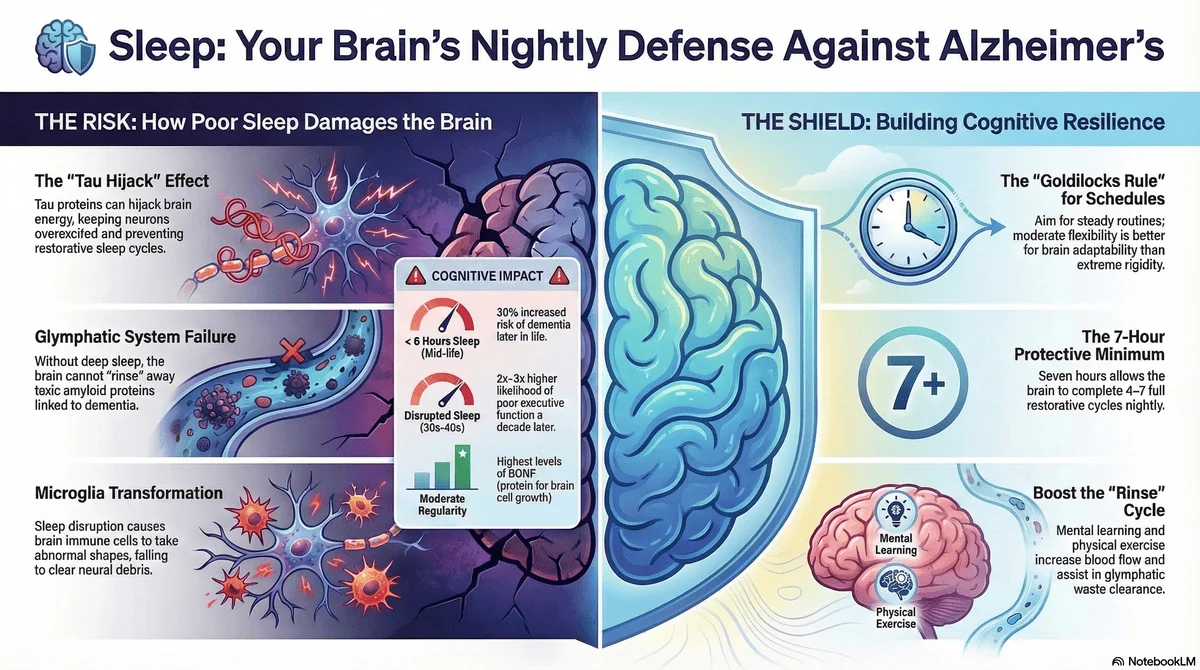
    The Biological Mechanisms of Restorative Sleep Achieving genuinely restorative rest relies heavily on deep sleep and Rapid Eye Movement (R.E.M.) sleep, both of which are critical for long-term cognitive health. During these phases, the brain regulates hormones and utilizes the glymphatic system to flush out metabolic waste, including the amyloid proteins often implicated in dementia. Furthermore, R.E.M. sleep is vital for processing emotions and consolidating new memories gathered during waking hours.

    How Toxic Proteins Hijack Brain Energy A significant driver of Alzheimer’s disease is the accumulation of the tau protein, which researcher Shannon Macauley at the University of Kentucky notes can hijack the brain’s energy supply. Instead of generating normal energy from glucose, the brain produces glutamate, an excitatory neurotransmitter that keeps neurons overactive and prevents individuals from achieving deep, restorative sleep. This creates a cyclical deterioration where poor sleep worsens Alzheimer’s pathology, and the pathology further disrupts sleep.

    The Role of Microglia and Inflammation When circadian rhythms are consistently disrupted, microglia—the brain’s essential immune cells—begin to shift from their normal protective state into a stress-primed, inflammatory state. Research led by Karienn Souza at Texas A&M University demonstrates that this transformation impairs the immune cells’ ability to clear cellular debris, creating an environment where toxic proteins can accumulate and accelerate the onset of cognitive decline.

    The Goldilocks Rule for Sleep Consistency Scientists tracking sleep regularity have identified an inverted U-shaped curve concerning the production of brain-derived neurotrophic factor (BDNF), a protein crucial for neural adaptability and resilience. Both highly irregular sleep patterns and overly strict, rigid sleep schedules result in lower BDNF levels, suggesting the brain requires moderate consistency coupled with slight daily flexibility to optimize long-term cognitive health.

    Q&A: Unpacking Sleep and Dementia Risk

    Q: How do deficiencies in specific sleep phases physically damage long-term brain function?

    A: Lacking adequate deep and R.E.M. sleep prevents the brain from executing vital restorative processes, leading to toxic waste accumulation and severe memory impairment.

    • Glymphatic Clearance Failure: Insufficient deep sleep restricts the brain’s glymphatic system from flushing out metabolic waste, allowing dementia-linked amyloid proteins to build up over years.
    • Memory Processing Deficits: Without adequate R.E.M. sleep, the brain loses its primary mechanism for storing and updating new information or processing emotional experiences.
    • Executive Function Impact: Individuals who experience heavily disrupted sleep in their 30s and 40s are two to three times more likely to test lower in executive function and processing speeds a decade later.

    Q: Why does the early accumulation of tau protein result in clinical insomnia?

    A: Tau tangles disrupt normal brain metabolism, forcing neurons into an overexcited state that actively prevents the central nervous system from initiating deep sleep.

    • Metabolic Hijacking: Abnormally building tau redirects the brain’s standard glucose supply away from normal energy production.
    • Glutamate Overproduction: This rerouted fuel creates excess glutamate, a neurotransmitter that continuously stimulates neurons and keeps the brain on high alert.
    • Early Warning Sign: Because this metabolic hijacking occurs before tau fully clumps into tangles, severe insomnia often precedes clinical Alzheimer’s symptoms by many years.

    Q: How does chronic circadian disruption alter the brain’s natural immune defenses?

    A: Irregular sleep schedules force the brain’s primary immune cells into an abnormal structural state that promotes harmful inflammation rather than cellular repair.

    • Morphological Changes: Normal, tree-like microglia physically change into abnormal, stressed shapes when subjected to a disrupted circadian rhythm.
    • Debris Accumulation: These altered immune cells lose their efficiency and fail to properly filter out damaged cells, allowing toxins to build up in neural tissue.
    • Inflammatory Cascade: This structural shift turns the microglia into an inflammatory force, meaning the brain’s defense system inadvertently attacks its own tissue over time.

    Q: How are researchers attempting to repair damaged microglial cells to prevent cognitive decline?

    A: Scientists are developing targeted therapies using microscopic particles derived from stem cells to deliver corrective anti-inflammatory signals directly to the brain’s immune system.

    • Extracellular Vesicles: Researchers developed stem cell-derived extracellular vesicles to act as a therapeutic messaging system for compromised microglia.
    • Targeted Payload Delivery: These tiny particles carry proteins and signaling molecules specifically designed to stabilize erratic immune behavior.
    • Inflammation Reversal: The goal is to prevent the microglia from taking abnormal shapes and force them to return to their standard job of safely clearing neural debris.

    Q: How might the insomnia medication suvorexant be utilized to slow the progression of Alzheimer’s disease?

    A: Initial clinical trials led by Brendan Lucey at Washington University in St. Louis suggest that this common sleeping pill can rapidly reduce the concentration of specific harmful proteins in the central nervous system.

    • Beta-Amyloid Reduction: Participants who took suvorexant for two nights demonstrated a 10 to 20 percent decrease in beta-amyloid levels within their cerebrospinal fluid.
    • Tau Protein Alteration: The medication also temporarily reduced the accumulation of hyperphosphorylated tau proteins for up to 24 hours.
    • Clinical Limitations: At this time, the long-term efficacy of suvorexant as a preventative Alzheimer’s treatment remains unverified by official sources, and researchers caution that sleeping pills carry risks of dependence and reduced deep sleep quality.

    Editorial Note & Transparency

    Verification Log:

    • Scientific Journals: Research drawn from published studies on tau protein metabolism, microglial morphology, and BDNF regulation mapping sleep patterns to cognitive decline.
    • University Research: Data cross-referenced from ongoing trials at Texas A&M University, the University of Kentucky, and University of California–San Diego.
    • Medical Reports: Analysis of experimental treatments involving stem cell-derived extracellular vesicles and pharmaceutical interventions like suvorexant.

    Compliance:

    • Privacy: This article respects user data under our Privacy Policy.
    • Transparency: No sponsored content influenced this reporting.

    Contact Us: For corrections or feedback, please email: news.desk@qnanews.com

  • Colorectal Cancer Rates Surge Among Younger Adults as Medical Experts Emphasize Early Screening and Prevention

    Colorectal Cancer Rates Surge Among Younger Adults as Medical Experts Emphasize Early Screening and Prevention

    Atlanta/New York — Medical professionals nationwide are raising alarms over the increasing incidence of colorectal cancer among younger demographics, a group traditionally considered low-risk. Clinical observations highlight a concerning upward trend heading into March 10, 2026, which marks a critical point in National Colorectal Cancer Awareness Month. Recent high-profile deaths in younger adults have brought this issue to the forefront, prompting gastroenterologists to aggressively advocate for proactive screening and lifestyle interventions.

    Below is a detailed examination of the rising rates, diagnostic symptoms, and preventative strategies surrounding colorectal cancer.

    Context & Background

    What is driving the rise in early-onset cases? While the exact biological cause remains under active investigation, medical experts attribute the increase heavily to shifting lifestyle factors and modern diets. Physicians point to rising rates of obesity, sedentary lifestyles, and the heavy consumption of ultra-processed foods as primary contributors that disrupt gut health.

    The historical shift in patient demographics For decades, colorectal cancer was predominantly viewed as an affliction of older adults, with screening traditionally beginning past the age of 50. However, recent data indicates that incidence rates in individuals under 50 have increased significantly, with nearly half of all new cases now occurring in adults under 65.

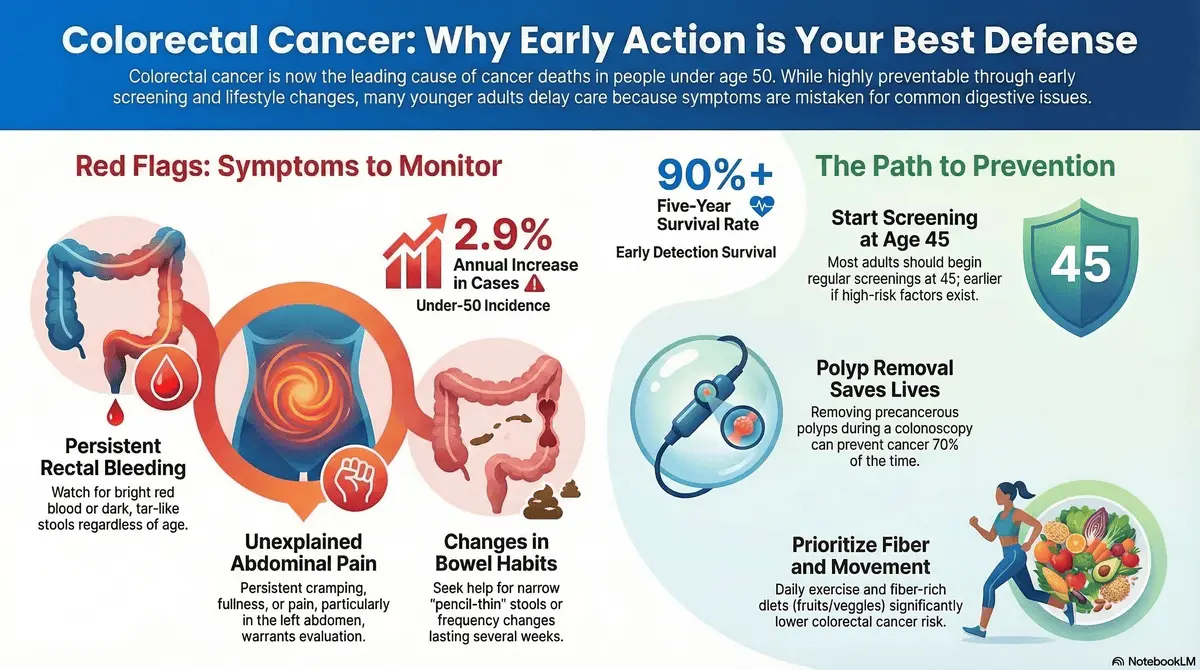
    Why early detection matters Colorectal cancer often develops silently over several years without obvious early symptoms, but it is highly preventable when precancerous polyps are identified and removed. When captured early, the five-year survival rate for colorectal cancer is over 90%, underscoring the critical, life-saving nature of timely colonoscopy screenings.

    The key players in clinical prevention Leading medical institutions and gastroenterologists, including Dr. Steve Georgopoulos of NYU Langone and Dr. Samir Gupta of UC San Diego Health, are actively reshaping public screening protocols. Organizations like the American Cancer Society now strongly recommend that average-risk adults begin routine screening at age 45 rather than waiting until age 50.

    Q&A: Unpacking Colorectal Cancer Prevention and Diagnosis

    Q: Why are doctors specifically monitoring everyday digestive habits to detect this cancer?

    A: Routine digestive functions serve as the earliest, most direct indicators of cellular damage or physical blockages in the digestive tract.

    • Blood Detection: Blood in the stool, whether bright red or dark, is a primary warning sign that is dangerously often mistaken for benign conditions like hemorrhoids.
    • Bowel Changes: Persistent changes in bowel habits, including chronic constipation, diarrhea, or an unproductive urge to defecate, can indicate a tumor occupying space in the rectum.
    • Pain Patterns: Unexplained, persistent abdominal pain, particularly on the left side, may signal a bulky mass limiting the normal passage of stool.

    Q: How do lifestyle and dietary choices biologically impact the colon’s vulnerability to cancer?

    A: Sedentary behavior and nutrient-poor diets alter the gut microbiome and drastically slow digestion, increasing the colon lining’s exposure to harmful substances.

    • Microbiome Disruption: Diets high in processed foods and low in natural fiber disturb the balance of bacteria needed to produce vital anti-inflammatory compounds.
    • Digestive Speed: Physical inactivity slows digestive motility, meaning potentially carcinogenic waste remains in contact with the colon lining for much longer durations.
    • Nutritional Deficits: A lack of whole grains, fruits, and vegetables deprives the colon of essential nutrients that support a consistently healthy gut environment.

    Q: How does a colonoscopy function as both a diagnostic and preventative medical tool?

    A: Unlike many cancer screenings that only detect existing malignancies, a colonoscopy allows doctors to physically intervene before cancer can fully develop.

    • Polyp Removal: Physicians can visually locate and immediately remove precancerous polyps during the procedure, stopping cancer before it begins.
    • Visual Assessment: Utilizing a flexible tube with a digital camera, doctors thoroughly examine the entire colon, ensuring accurate and comprehensive evaluation.
    • Technological Integration: Advanced facilities, such as Billings Clinic Bozeman, are now using FDA-cleared AI tools like the GI Genius module to highlight subtle areas that might otherwise go unnoticed by the human eye.

    Q: Why might patients present with systemic symptoms like severe fatigue rather than localized digestive issues?

    A: Tumors can cause insidious, hidden effects on the body’s overall resources before ever causing a direct physical blockage in the digestive tract.

    • Hidden Bleeding: Slow, internal blood loss from a tumor at the start of the colon can lead to iron deficiency anemia, manifesting as severe fatigue, shortness of breath, and weakness.
    • Nutrient Absorption: Cancer can impair the digestive system’s biological ability to properly absorb essential nutrients, leading to rapid, unintentional weight loss.
    • Metabolic Drain: The presence of a malignancy often affects appetite and metabolic function, contributing to a sudden drop in body weight without conscious dietary changes.

    Q: How are medical professionals addressing the rising incidence among younger, asymptomatic patients?

    A: The medical community is rapidly shifting baseline guidelines and urging heightened clinical vigilance to catch the disease in demographics previously considered safe.

    • Guideline Adjustments: The recommended age for average-risk screening has been officially lowered from 50 to 45 by major health organizations, including the Centers for Disease Control and Prevention.
    • Symptom Evaluation: Doctors, including Dr. Derek Ebner at the Mayo Clinic, advise thoroughly investigating symptoms like rectal bleeding in younger patients rather than immediately assuming benign causes.
    • Genetic Profiling: Patients with a family history or inherited conditions are being directed to specialized high-risk programs for earlier and significantly more frequent screening schedules.

    Editorial Note & Transparency

    Verification Log:

    • Clinical Guidelines: Sourced from official statements by the American Cancer Society, the Centers for Disease Control and Prevention, and medical professionals at UC San Diego Health and the Mayo Clinic.
    • Statistical Data: Incidence rate trends among adults under 50 verified through epidemiological reports cited by multiple oncologists and gastroenterologists.
    • Symptom Profiles: Diagnostic criteria corroborated by clinical experts including Dr. Derek Ebner, Dr. Samir Gupta, and Dr. Steve Georgopoulos.

    Compliance:

    • Privacy: This article respects user data under our Privacy Policy.
    • Transparency: No sponsored content influenced this reporting.

    Contact Us: For corrections or feedback, please email: news.desk@qnanews.com

  • Suspected Avian Influenza Outbreak Causes Mass Wildfowl Die-Offs Across the Northeast

    Suspected Avian Influenza Outbreak Causes Mass Wildfowl Die-Offs Across the Northeast

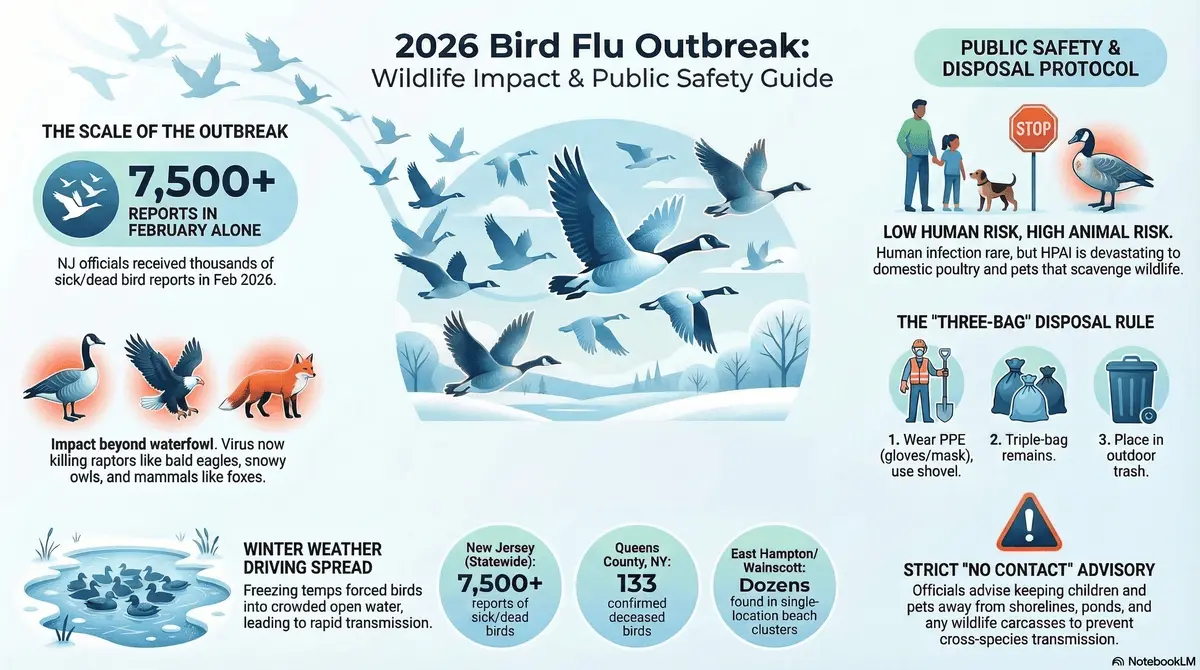
    New York/New Jersey — Health and environmental agencies are monitoring a rapidly expanding mass mortality event affecting wild birds, predominantly Canada geese, suspected to be driven by Highly Pathogenic Avian Influenza. The crisis escalated dramatically over the past month, with thousands of dead birds reported by March 8, 2026. State officials have issued widespread advisories as they work to contain the environmental contamination and protect public health.

    Below is a detailed examination of the suspected bird flu outbreak and its regional impact.

    Context & Background

    How did this outbreak escalate so rapidly? The recent surge in bird mortalities is heavily influenced by harsh winter weather patterns across New Jersey and New York. As open water sources froze, migrating flocks of Canada geese and other waterfowl were forced into tightly concentrated, unfrozen areas, which accelerated the transmission of the virus in crowded environments. Additionally, widespread snow cover severely limited natural foraging opportunities, leaving the birds with compromised immune functions and heightened susceptibility to infection.

    Which species are most affected? While Highly Pathogenic Avian Influenza primarily circulates among waterfowl like Canada geese and snow geese, the current strain is demonstrating significant cross-species transmission capabilities. Wildlife experts, including Kevin Hynes of the New York State Department of Environmental Conservation and Dr. Patrick Connelly of the New Jersey Department of Environmental Protection, note that the virus is increasingly killing raptors such as bald eagles and red-tailed hawks, as well as scavenging mammals including red foxes, bobcats, and raccoons. Grace DeNatale, a hospital supervisor at the Evelyn Alexander Wildlife Refuge, also reported confirming the virus in bufflehead and hooded merganser populations.

    What is the risk to human and pet health? The Centers for Disease Control and Prevention maintains that the current risk to the general public’s health remains strictly low, as human infections are exceptionally rare. However, officials strongly advise pet owners to keep domestic animals away from dead wildlife, as cross-species transmission is possible if pets consume or interact with infected carcasses. Local veterinarians, such as Dr. Jonathan Turetsky, underscore the importance of maintaining hygiene around bird feeders to prevent further spread.

    How are local authorities responding? Municipalities spanning from Salem County, New Jersey to East Hampton, New York have issued safety advisories, coordinated carcass removals, and in some cases, temporarily closed public parks to limit human exposure. The New York State Department of Environmental Conservation and the New Jersey Department of Environmental Protection have established dedicated online reporting portals and hotlines, urging residents to report clusters of dead birds rather than attempting to dispose of them independently without protective equipment.

    Q&A: Unpacking the Avian Influenza Crisis

    Q: HOW does the Highly Pathogenic Avian Influenza virus transmit among wild bird populations?

    A: The virus primarily spreads through heavy environmental contamination in shared wetland habitats.

    • Fecal and Salivary Shedding: Infected waterfowl shed high viral loads into the water and onto the surrounding land through their excrement and saliva.
    • Environmental Persistence: In cold winter temperatures, the shed virus can remain viable and infectious in the environment for extended periods.
    • Secondary Predation: Birds of prey, such as hawks and owls, frequently contract the illness when they prey upon or scavenge the infected carcasses of smaller birds.

    Q: WHY are winter weather patterns exacerbating the wildlife mortality rate?

    A: Freezing temperatures have drastically altered wildfowl behavior and degraded their physiological resilience.

    • Habitat Compression: Ice formations on lakes and ponds have forced massive flocks into the few remaining patches of open water, creating high-density congregations.
    • Nutritional Deficits: Extensive snow and ice cover have severely limited natural foraging opportunities, leaving migrating birds weakened and malnourished.
    • Immunological Stress: The combination of intense cold and lack of food inherently degrades the immune response of the birds, facilitating rapid viral spread.

    Q: WHY are mammals increasingly contracting this specific viral strain?

    A: Scavenging behaviors place certain mammalian predators in direct contact with highly concentrated viral loads.

    • Dietary Exposure: Mammals such as foxes, raccoons, and bobcats frequently scavenge the carcasses of deceased geese, directly ingesting infected tissues.
    • Cross-Species Vulnerability: While primarily an avian virus, HPAI demonstrates the capacity to infect mammals through direct, high-dose exposure via the gastrointestinal or respiratory tracts.
    • Transmission Mechanics: At this time, mammal-to-mammal transmission in the wild remains unverified by official sources.

    Q: HOW should residents safely manage the discovery of dead wildlife on private property?

    A: Proper disposal requires strict adherence to environmental and health guidelines to prevent secondary contamination.

    • Protective Equipment: Individuals must wear disposable gloves, masks, and eye protection before initiating any removal process.
    • Contact Avoidance: Shovels or other extended implements must be utilized to prevent any direct physical contact with the carcass or its bodily fluids.
    • Secure Disposal: Carcasses should be triple-bagged in heavy-duty contractor bags and secured in outdoor trash receptacles to protect sanitation workers and prevent scavenging by local wildlife.

    Q: HOW is the agricultural sector potentially impacted by wild bird infections?

    A: Proximity between wild, migrating flocks and commercial poultry creates severe economic and biosecurity risks for farmers.

    • Spillover Infections: Free-flying infected wild waterfowl can introduce the virus to domestic flocks, which lack natural immunity.
    • Depopulation Protocols: Because there is no cure for the disease, entire commercial operations—including chickens and turkeys—must be fully depopulated to halt the spread upon a single confirmed detection.
    • Biosecurity Breaches: The virus can be inadvertently tracked into poultry enclosures via contaminated soil on footwear, vehicles, or equipment.

    Q: WHY are official testing procedures pivoting away from testing deceased Canada geese?

    A: The overwhelming volume of goose mortalities has forced environmental agencies to strategically reprioritize their diagnostic resources.

    • Established Baselines: Because HPAI is already known to be circulating widely among regional waterfowl, testing every deceased goose is no longer diagnostically necessary.
    • Resource Allocation: Agencies are redirecting limited testing efforts toward raptors and wildlife species not yet confirmed to carry the virus in the region.
    • Presumptive Diagnoses: Officials now advise the public to operate under the assumption that large clusters of deceased waterfowl are highly likely to be HPAI positive and proceed with standard safety protocols.

    Editorial Note & Transparency

    Verification Log:

    • Government Directives: Environmental safety guidelines and disposal protocols from state conservation departments.
    • Wildlife Health Reports: Field observations and necropsy data from wildlife pathologists and local veterinarians.
    • Public Health Advisories: Risk assessments from the Centers for Disease Control and Prevention regarding cross-species transmission.

    Compliance:

    • Privacy: This article respects user data under our Privacy Policy.
    • Transparency: No sponsored content influenced this reporting.

    Contact Us: For corrections or feedback, please email: news.desk@qnanews.com

  • CDC Issues Level 2 Travel Advisory for 32 Countries Due to Polio Risk

    CDC Issues Level 2 Travel Advisory for 32 Countries Due to Polio Risk

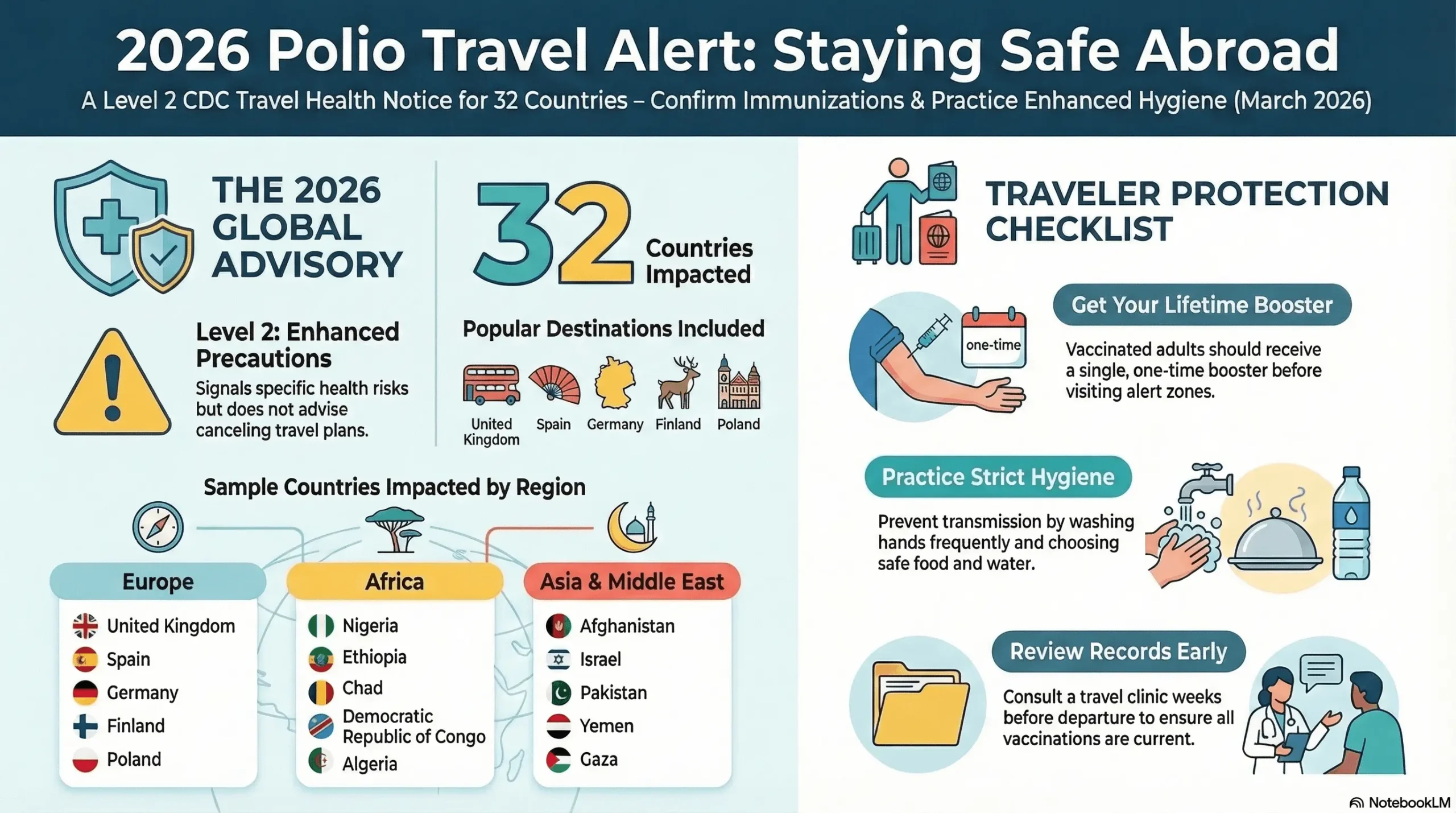
    Atlanta — The U.S. Centers for Disease Control and Prevention has issued a Level 2 global travel health notice urging travelers to practice enhanced precautions due to circulating poliovirus across thirty-two nations. The agency published this alert on March 6, 2026, ahead of the busy spring and summer travel seasons. Officials emphasize that while travel does not need to be canceled, individuals should ensure their polio vaccinations are up to date before departing.

    Below is a detailed breakdown of the travel advisory and public health guidelines.

    Context & Background

    What triggered this advisory? The advisory addresses rising global concerns over the circulation of both wild and vaccine-derived poliovirus in regions spanning Europe, Africa, and the Middle East. Surveillance systems have detected the virus in wastewater and isolated clinical cases, prompting the U.S. Centers for Disease Control and Prevention to elevate the risk level to ensure travelers do not inadvertently contract or spread the disease.

    The historical significance of the disease Polio is a highly contagious disease that primarily affects the nervous system and can cause lifelong paralysis or death, most famously affecting figures like U.S. President Franklin Delano Roosevelt. Before the widespread implementation of vaccines in the 1950s, the virus caused tens of thousands of paralytic cases annually. Today, ongoing global eradication campaigns have nearly eliminated the disease, making any resurgence a critical public health priority.

    Why vaccination status matters now While the United States has eliminated wild poliovirus, the virus remains highly mobile due to international travel and can quickly exploit gaps in community immunity. The U.S. Centers for Disease Control and Prevention strongly recommends that adults who completed their childhood series receive a single, lifetime inactivated polio vaccine (IPV) booster before visiting affected countries. This precaution protects individual travelers and prevents the reintroduction of the virus into domestic populations with lower immunization coverage.

    Q&A: Unpacking Polio Travel Advisory

    Q: How does the poliovirus spread in environments with varying levels of sanitation infrastructure?

    A: The virus primarily transmits through the fecal-oral route, spreading rapidly when contaminated matter interacts with food or water sources.

    • Transmission Vectors: Individuals can contract the virus by touching contaminated surfaces or consuming compromised water and food.
    • Asymptomatic Shedding: Approximately 95 percent of infected individuals display no symptoms but can still shed the virus in their feces, silently fueling community transmission.
    • Hygiene Mitigation: Health experts mandate meticulous handwashing and the use of alcohol-based sanitizers to interrupt these transmission chains.

    Q: Why are highly developed nations like Germany, Spain, and the United Kingdom included on this specific advisory list?

    A: These European countries have detected traces of the virus through wastewater surveillance or isolated cases rather than experiencing widespread clinical outbreaks.

    • Surveillance Detection: Advanced sewage testing in these nations has successfully identified circulating poliovirus despite their strong overall vaccination coverage.
    • Importation Risk: The high volume of international travelers moving between regions with different health profiles introduces the virus into local wastewater systems.
    • Precautionary Inclusion: Inclusion on the list acts as a preemptive warning for travelers to maintain vigilance, regardless of a destination’s overall economic status.

    Q: How will this Level 2 alert impact the broader travel and tourism industry during the upcoming spring season?

    A: Travel industry analysts expect an increase in passenger inquiries regarding health requirements but do not foresee mass cancellations.

    • Traveler Skepticism: Some frequent cruisers and travelers have publicly expressed skepticism and stated they will not alter their upcoming European itineraries.
    • Industry Response: Major airlines and tour operators are advising clients to actively monitor official health guidance and verify their vaccination records before departure.
    • Insurance Implications: Certain travel insurance providers may require policyholders to strictly follow destination health advisories to maintain valid coverage.

    Q: How do the clinical symptoms of a polio infection typically manifest in an unvaccinated individual?

    A: When symptoms do appear, they initially mimic common viral infections before potentially escalating to severe neurological complications.

    • Initial Presentation: Symptomatic individuals often experience flu-like indicators, including fever, fatigue, nausea, and stiffness in the neck or back.
    • Severe Complications: In fewer than 1 percent of cases, the virus invades the nervous system, leading to permanent muscle paralysis.
    • Fatal Outcomes: The infection can result in death if the virus severely paralyzes respiratory muscles or infects the brain.

    Q: Why is there growing concern about potential outbreaks within the United States despite historical eradication?

    A: Waning vaccine coverage in specific domestic pockets has created vulnerabilities that can be exploited by imported cases.

    • Recent Precedents: In 2022, a young adult in Rockland County, New York, contracted paralytic polio without traveling internationally, proving the virus can circulate locally.
    • Vaccine Hesitancy: Rising opposition to mandatory immunizations has expanded the population of susceptible individuals, raising fears of localized epidemics.
    • Asymptomatic Spread: Because the virus spreads silently, a single infected international traveler can trigger transmission chains in under-immunized American communities.

    Editorial Note & Transparency

    Verification Log:

    • Medical Advisory Source: The U.S. Centers for Disease Control and Prevention travel notices and official medical guidelines regarding poliovirus transmission and vaccination protocols.
    • News Syndication: Published reports from major media outlets detailing the global spread of the virus and the public’s reaction to the advisory.
    • Historical Data: Public health records documenting the historical impact of the virus prior to widespread vaccination efforts.

    Compliance:

    • Privacy: This article respects user data under our Privacy Policy.
    • Transparency: No sponsored content influenced this reporting.

    Contact Us: For corrections or feedback, please email: news.desk@qnanews.com

  • GLP-1 Weight Loss and Diabetes Medications Linked to Reduced Risk of Substance Use Disorders

    GLP-1 Weight Loss and Diabetes Medications Linked to Reduced Risk of Substance Use Disorders

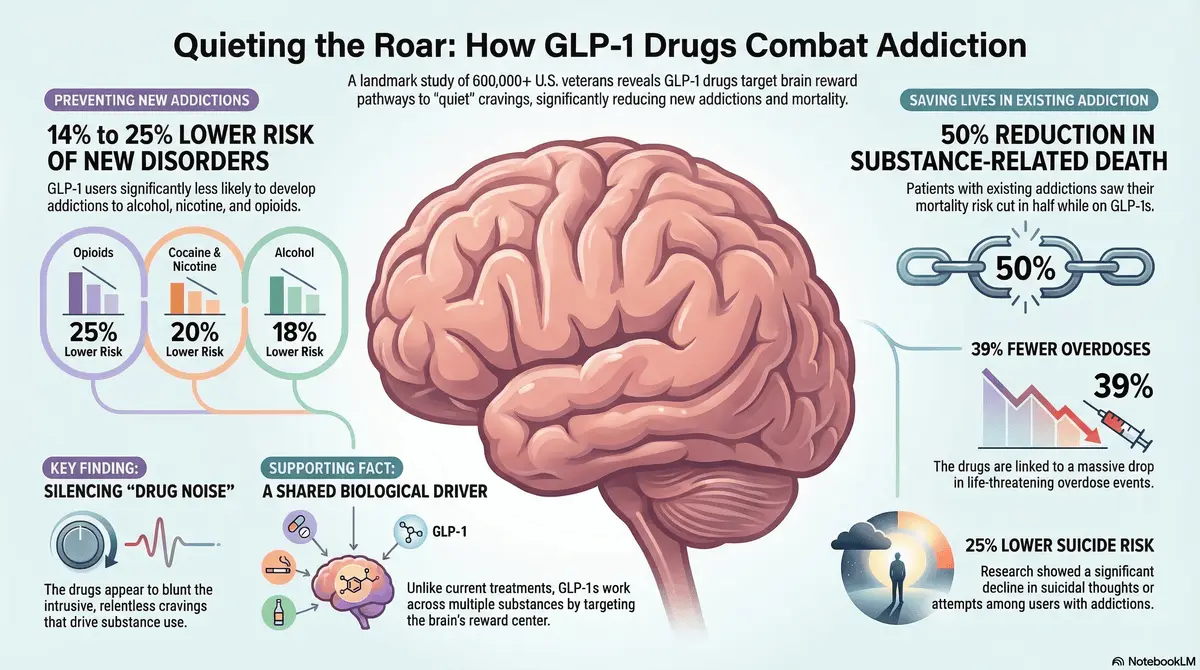
    St. Louis—A comprehensive new study has revealed that GLP-1 receptor agonists, blockbuster drugs widely known for treating diabetes and obesity, may significantly lower the risk of addiction across multiple substances. The findings were published in a major medical journal on March 4, 2026. Researchers analyzed medical records from over 600,000 veterans in the U.S., uncovering dramatic reductions in both the development of new addictions and the occurrence of severe outcomes like overdoses among those already struggling with substance use.

    Below is a detailed examination of how GLP-1 medications might fight addiction and reshape treatment approaches.

    Context & Background

    How did this research originate? Physicians initially noticed anecdotal evidence of patients losing interest in alcohol and nicotine after starting GLP-1 medications for weight loss or diabetes. Dr. Ziyad Al-Aly and his team at Washington University in St. Louis initiated a massive observational study using electronic health records from the U.S. Department of Veterans Affairs to test if these drugs curbed cravings across the board.

    The key biological mechanisms Researchers believe that GLP-1 receptors are not only present in the gut but also highly concentrated in the brain’s reward and motivation pathways. Just as the drugs suppress the persistent, intrusive thoughts known as “food noise,” they appear to dampen “drug noise,” effectively silencing the underlying biological cravings that drive addiction.

    Why this matters for public health Addiction is a leading cause of sickness and death globally, with existing treatments often limited to specific substances and yielding high relapse rates. Because GLP-1 drugs show efficacy against a broad spectrum of addictions—including cocaine, cannabis, and opioids—they could provide a unified pharmacological approach where few or no approved medications currently exist.

    Q&A: Unpacking GLP-1 Treatments for Addiction

    Q: WHY do GLP-1 medications seem to work across entirely different types of addictive substances?

    A: These medications target a shared underlying biological vulnerability in the brain’s reward centers rather than the specific chemical pathways of individual drugs.

    • Receptor Location: The GLP-1 hormone binds to receptors in brain regions governing motivation, reward, and impulse control.
    • Craving Reduction: By dampening dopamine signaling in the brain’s core reward center, the drugs make addictive substances feel fundamentally less rewarding.
    • Symptom Alleviation: Animal studies suggest that GLP-1 drugs might also ease withdrawal symptoms, diminishing both the drive to use substances and the physical pain of stopping.

    Q: HOW significant were the reductions in harm for patients with existing substance use disorders?

    A: The study demonstrated substantial decreases in severe medical events and mortality among patients taking GLP-1s compared to those on other diabetes medications.

    • Mortality Decrease: There was a 50% lower risk of death related to substance use.
    • Overdose Prevention: Patients experienced a 39% to 40% reduction in drug overdoses.
    • Hospitalization Drop: The data showed a 25% to 26% lower risk of hospitalizations and a 30% to 31% reduction in emergency department visits.

    Q: HOW did the drugs impact the development of new substance use disorders?

    A: For patients without prior addiction history, GLP-1 medications significantly lowered the statistical risk of developing new dependencies across all major substance categories.

    • Opioid Prevention: Users showed a 25% reduced risk of developing an opioid use disorder.
    • Stimulant Avoidance: The risk of developing cocaine and nicotine dependence dropped by 20%.
    • Alcohol and Cannabis Decline: Patients had an 18% lower risk of developing an alcohol use disorder and a 14% lower risk for cannabis use disorder.

    Q: WHY are medical professionals cautious about prescribing GLP-1s specifically for addiction right now?

    A: The current findings are based on an observational study, meaning randomized controlled clinical trials are required to prove direct causation and determine safe, specific protocols.

    • Unanswered Variables: It remains unclear if cravings return upon stopping the medication, or if the brain eventually adapts and erodes the drug’s benefits over time. At this time, long-term relapse rates after discontinuing GLP-1 therapies remain unverified by official sources.
    • Side Effects: These medications carry risks such as nausea, vomiting, and rarely, pancreatitis, which must be carefully weighed against their potential benefits.
    • Population Limits: The observational study predominantly evaluated older, white male patients in the U.S. Department of Veterans Affairs system, requiring further research across broader demographics.

    Q: HOW might these findings shift the overall treatment landscape for addiction?

    A: The broad efficacy of GLP-1s could transition addiction treatment from targeting individual substances to addressing the fundamental biological drive of craving itself.

    • Addressing Treatment Gaps: Currently, there are no approved pharmacological treatments available for addictions to stimulants like cocaine or methamphetamine.
    • Primary Care Integration: Because primary care doctors already prescribe GLP-1 drugs for diabetes and obesity at scale, addiction treatment could become vastly more accessible compared to relying solely on limited specialists.
    • Dual-Benefit Potential: Patients suffering from obesity or diabetes alongside an addiction could effectively treat both chronic conditions simultaneously with a single medication.

    Editorial Note & Transparency

    Verification Log:

    • Medical Journal: Data published in The BMJ detailing the efficacy of GLP-1 receptor agonists.
    • Institutional Research: Analysis and demographic data provided by Washington University in St. Louis and the U.S. Department of Veterans Affairs.
    • News Reporting: Synthesis of clinical findings from medical experts, institutional directors, and addiction specialists.

    Compliance:

    • Privacy:This article respects user data under our Privacy Policy.
    • Transparency: No sponsored content influenced this reporting.

    Contact Us: For corrections or feedback, please email: news.desk@qnanews.com

  • The 2025-2030 Dietary Guidelines: Analyzing the Shift to the Inverted Food Pyramid

    The 2025-2030 Dietary Guidelines: Analyzing the Shift to the Inverted Food Pyramid

    Washington, D.C. — The United States government has released the 2025-2030 Dietary Guidelines for Americans, fundamentally altering federal nutritional advice by prioritizing proteins, healthy fats, and whole foods while restricting ultra-processed items. The new framework was formally announced by Health Secretary Robert F. Kennedy Jr. in January 2026. This represents a structural pivot from decades of prior advice that focused heavily on refined carbohydrates, with immediate implications for consumer budgets, public health policy, and global food supply chains.

    Below is a detailed examination of the new dietary framework and its broad economic and nutritional impacts.

    Context & Background

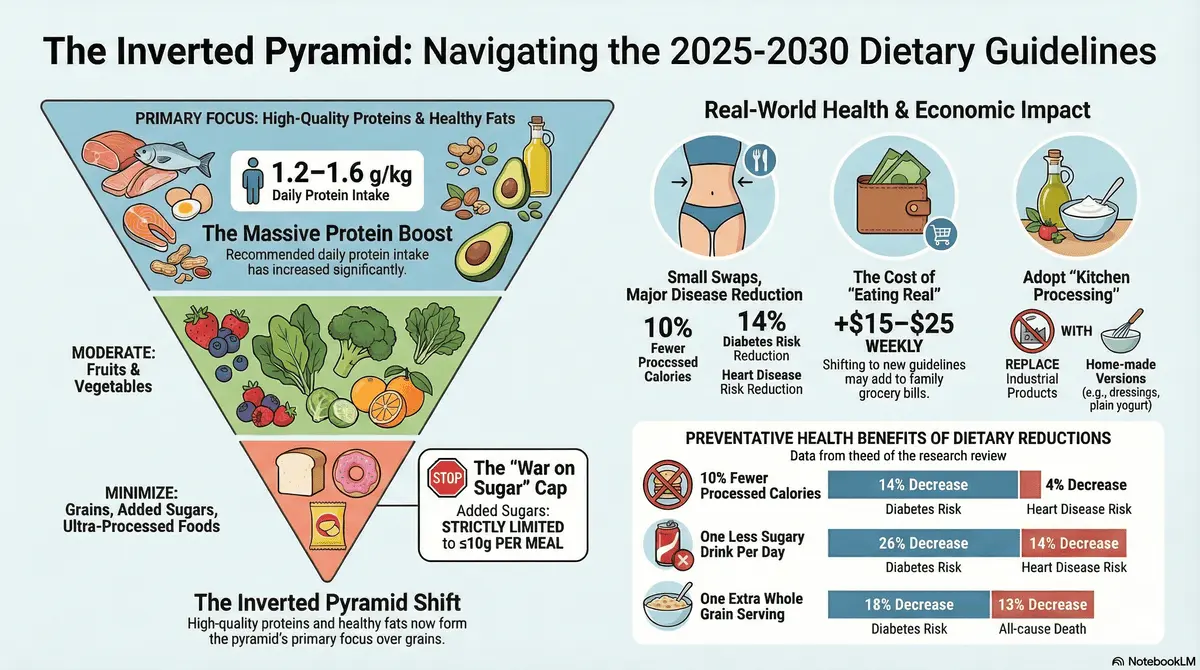
    The Inverted Pyramid Paradigm The new guidelines introduce an “inverted pyramid” that abandons the 1992 framework, which recommended six to 11 servings of grains daily. Instead, the modern approach positions high-quality proteins, full-fat dairy, and healthy fats at the pinnacle of a healthy diet, shrinking the recommended intake of refined carbohydrates to the smallest section.

    Key Drivers of the Policy Shift Health Secretary Robert F. Kennedy Jr. mandated the guidelines to focus on helping Americans eat real food to combat diet-related chronic diseases. This policy directly targets the overconsumption of calorie-dense, nutrient-poor ultra-processed foods, which currently account for over half of the calories consumed by adults in the United States.

    Implications for Federal Nutrition Programs These standards serve as a mandatory blueprint for major federal purchasing and assistance programs, including the National School Lunch Program and the Supplemental Nutrition Assistance Program. Billions of dollars in institutional food spending will be redirected to prioritize whole foods, impacting menus for millions of schoolchildren and low-income families.

    Economic Impact on Consumers Aligning with the new recommendations is expected to increase grocery bills, as the Consumer Price Index for food at home rose 2.1% year-over-year. Transitioning a family’s diet to include more whole foods, fresh produce, and premium proteins could add $15 to $25 per week to standard grocery costs, depending on consumer choices and local market conditions.

    Q&A: Unpacking the 2025-2030 Dietary Guidelines

    Q: How do the new guidelines change daily protein and fat recommendations?

    A: The guidelines significantly increase daily protein targets and endorse whole-food sources of fat.

    • Protein Thresholds: Recommended intake has risen from 0.8 grams to between 1.2 and 1.6 grams per kilogram of body weight.
    • Fat Sources: Full-fat dairy, eggs, red meat, and olive oil are now classified as essential components of a nutrient-dense diet, shifting away from previous low-fat mandates.
    • Cardiology Pushback: The American College of Cardiology notes that while proteins are emphasized, prioritizing plant-based proteins and unsaturated fats over red meat and butter remains better supported by long-term cardiovascular evidence.

    Q: Why is there such a strict focus on added sugars and ultra-processed foods?

    A: The guidelines aim to address chronic diet-related diseases by setting hard limits on ingredients lacking nutritional value.

    • Meal-Based Sugar Caps: The previous guidance of limiting sugar to 10% of total daily calories has been replaced by a strict limit of under 10 grams of added sugar per meal.
    • Early Childhood Restrictions: The framework advises that children under age four consume zero added sugars to establish healthy baseline dietary habits.
    • Chronic Disease Mitigation: Moderate to high-quality evidence links highly processed foods to elevated risks of Type 2 diabetes, cardiovascular disease, dementia, and all-cause mortality.

    Q: How will this policy shift impact the agricultural and fresh produce supply chains?

    A: The guidelines place immense pressure on supply chains to deliver reliable, high-quality whole foods at scale.

    • Logistical Demands: With fruits and vegetables acting as the foundation of the plate, the produce industry must enhance cold chain management and harvesting precision to ensure daily availability.
    • Shelf-Stable Integrations: To maintain accessibility and reduce waste, canned, frozen, and dried produce will be heavily leveraged alongside fresh options to mitigate seasonal and geographic constraints.
    • Sustainability Pressures: Increased agricultural demand requires resilient farming practices to ensure growth does not severely deplete land and water resources.

    Q: How are food manufacturers expected to adapt to the inverted pyramid?

    A: Companies will need to heavily invest in reformulation and shifting their product portfolios to remain competitive.

    • Product Reformulation: Brands must strip added sugars and artificial ingredients from existing products to meet new federal limits without sacrificing taste or shelf life.
    • Ingredient Partnerships: Manufacturers will increasingly rely on specialized ingredient companies that focus on enzymes, cultures, and natural flavorings like herbs and spices.
    • Federal Assistance Compliance: To capture spending from the Supplemental Nutrition Assistance Program, manufacturers must ensure their products meet the new “real food” classifications to avoid being phased out of government-subsidized purchasing.

    Q: How might these dietary changes influence global markets and investment strategies?

    A: Investors are identifying structural winners in sectors that provide natural, nutrient-dense foods and specialized agricultural products.

    • Aquaculture Expansion: Producers of omega-3 rich seafood are positioned for significant growth due to the explicit federal protein mandate endorsing seafood.
    • Microbiome Focus: The formal federal endorsement of fermented foods like kefir, miso, and sauerkraut provides a financial tailwind for specialized culture and dairy companies.
    • Global Standardization: Because the United States accounts for nearly 30% of global food spending, multinational retailers and operators frequently align their global supply strategies with U.S. nutritional standards, exporting these dietary shifts internationally.

    Editorial Notes & Transparency

    Verification Log:

    • Medical Journal: The American College of Cardiology analysis of cardiovascular impacts and protein source comparisons.
    • Financial Report: Consumer Price Index metrics detailing grocery inflation and the economic impacts of transitioning to whole foods.
    • Industry Insight: Evaluations of supply chain and investment ramifications from the Blue Book and QuotedData.

    Compliance:

    • Privacy: This article respects user data under our Privacy Policy.
    • Transparency: No sponsored content influenced this reporting.

    Contact Us: For corrections or feedback, please email: news.desk@qnanews.com

  • 18% Lower Dementia Risk: The 40-Year Coffee Study Explained

    18% Lower Dementia Risk: The 40-Year Coffee Study Explained

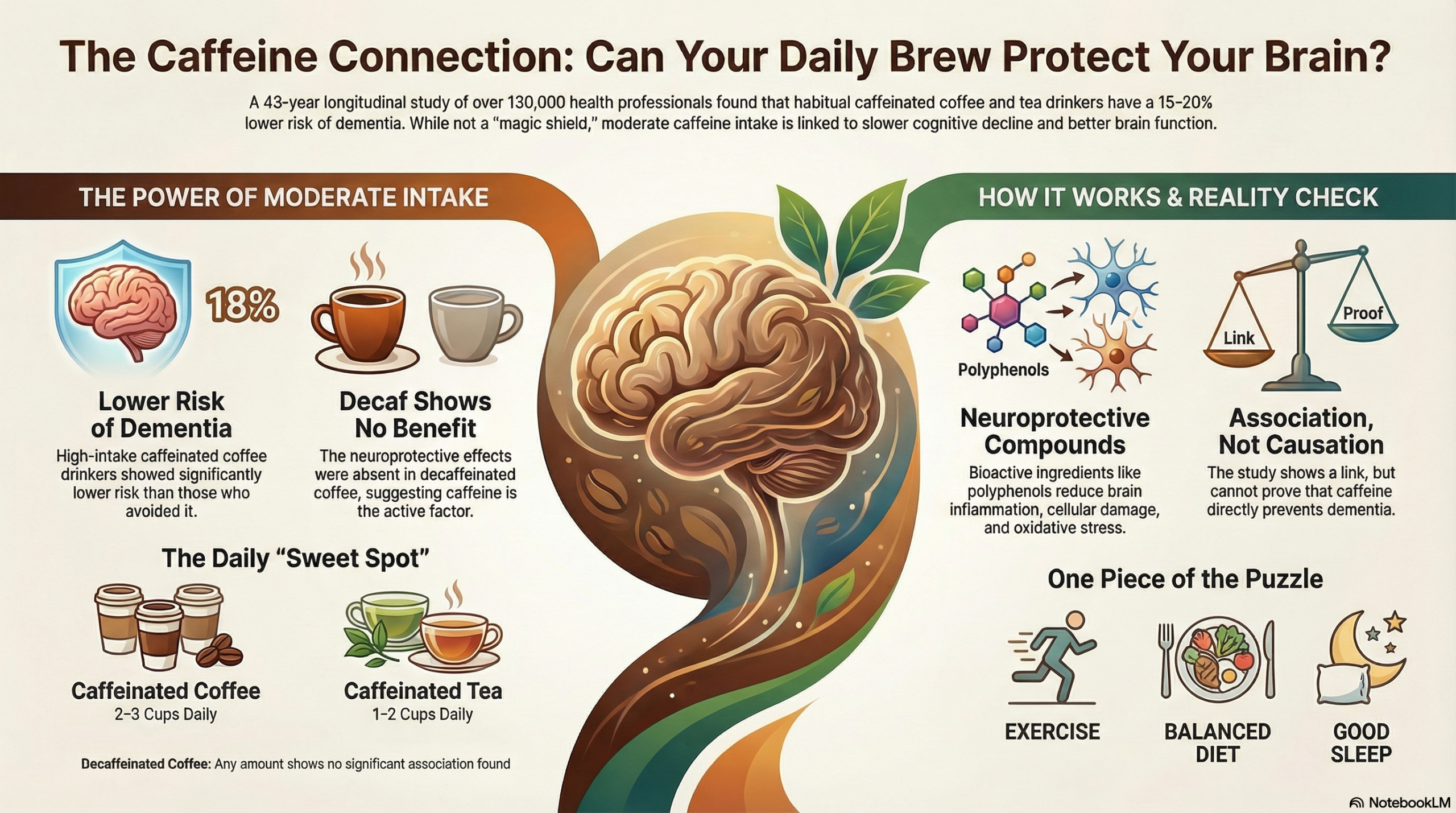
    Boston, Massachusetts — A landmark long-term study published in the Journal of the American Medical Association (JAMA) in February 2026 reveals that moderate, daily consumption of caffeinated coffee or tea is associated with a 15–20% reduction in dementia risk. The findings, drawn from over 130,000 U.S. participants tracked for more than 40 years, were led by researchers at Harvard Medical School and Mass General Brigham — and are being called one of the most significant nutrition-based insights into cognitive health in decades.

    Below is a detailed breakdown of the study, its findings, the controversies surrounding them, and what they mean for the millions of Americans at risk of dementia.

    Context & Background

    What the Study Found

    A massive long-term study published in JAMA reveals that moderate, daily consumption of caffeinated coffee or tea is associated with a 15–20% reduction in dementia risk. The greatest benefit was observed in those consuming two to three cups of caffeinated coffee or one to two cups of tea per day.

    The Research Team

    The research was led by Yu Zhang and Dr. Daniel Wang of Harvard Medical School and Mass General Brigham. Dr. Wang noted that while the results are promising, coffee is just “one piece of the puzzle” in cognitive health, and independent experts including Dr. Céline Gounder and Prof. Naveed Sattar contributed critical analysis.

    The Scale of the Problem

    With over 6 million Americans currently living with dementia — a number projected to double in the coming decades — the medical community has been urgently seeking early preventive interventions. Current treatments offer only modest benefits once symptoms appear, making dietary research like this study increasingly significant.

    Historical Significance

    This study stands out for its scale and duration — over 130,000 participants tracked for more than 40 years — making it one of the most rigorous analyses of diet and cognitive health ever conducted. It suggests that a simple, existing habit may serve as a practical, low-cost tool for long-term brain protection.

    Q&A: Unpacking the Study

    Q: What is the biological mechanism behind coffee’s neuroprotective effects?

    A: Researchers point to several bioactive compounds as the primary drivers of brain health:

    • Caffeine and polyphenols are believed to reduce inflammation and oxidative stress, where free radicals damage cellular tissues.
    • These compounds may also improve vascular health and metabolic function.
    • Specifically, caffeine is linked to lower rates of Type 2 diabetes, which is a significant known risk factor for developing dementia.

    Q: Why was the benefit absent in those who drank decaffeinated coffee?

    A: The decaf findings are one of the study’s most telling results:

    • The Findings: The study found no significant association between decaffeinated coffee and a reduced risk of dementia.
    • The Implication: This suggests that caffeine itself — rather than just the antioxidants found in the bean — is likely the active neuroprotective factor.
    • The Open Question: The exact reason why decaf fails to provide the same benefit remains unverified by official sources, though researchers hypothesize caffeine’s specific impact on metabolic and vascular pathways is key.

    Q: Is there a “sweet spot” for consumption, and can you drink too much?

    A: Yes, the benefits appear to plateau at an optimal daily amount:

    • Optimal Dose: The greatest risk reduction was observed in those consuming two to three cups of caffeinated coffee or one to two cups of tea per day.
    • Higher Consumption: Unlike some previous studies, consuming higher amounts of caffeine did not lead to negative cognitive outcomes in this data set, though it did not provide additional protection beyond the optimal dosage.

    Q: How does this research impact the medical industry and aging populations?

    A: The implications are significant for both public health and healthcare industry strategy:

    • Because current dementia treatments offer only modest benefits once symptoms appear, the medical community is shifting focus toward early prevention.
    • Identifying a common dietary intervention like coffee is significant for public health officials, especially as dementia cases are projected to double in the coming decades.
    • It provides a scalable, accessible lifestyle recommendation for aging populations who may already be habitual drinkers.

    Q: Fact-Check — Does this study prove that coffee prevents dementia?

    A: No. The study’s design places important limits on its conclusions:

    • Study Type: This was an observational study, meaning it shows a strong association but cannot prove causality.
    • Confounding Factors: Experts like Dr. Céline Gounder warn that underlying factors — such as people with high blood pressure already avoiding caffeine — could skew the data.
    • A Known Risk: Prof. Naveed Sattar notes that caffeine can raise blood pressure in some individuals, which is itself a driver of dementia — a nuance the study does not fully resolve.

    Q: How should a person who is sensitive to caffeine interpret these results?

    A: Medical experts stress that this is not a one-size-fits-all recommendation:

    • This is not a “prescription” to start drinking caffeine for those who do not tolerate it well.
    • Alternatives: For those who must avoid stimulants, other nutrition-focused strategies — such as consuming flavonoid-rich foods (berries, leafy greens) and omega-3 fatty acids — are also strongly supported by research for maintaining cognitive health.
    • The Bigger Picture: Brain health is built over decades and involves exercise, sleep, and a balanced diet — rather than any single “magic bullet” beverage.

    Editorial Note & Transparency

    Correction/Update: This article focuses on the JAMA coffee and dementia study published in February 2026.

    Privacy & Ethics: All quotes and figures are derived from peer-reviewed research published in the Journal of the American Medical Association (JAMA), official press releases and commentary from Harvard T.H. Chan School of Public Health and Mass General Brigham, and direct quotes and analysis from lead researchers (Yu Zhang, Daniel Wang) and independent medical contributors (Dr. Céline Gounder, Prof. Naveed Sattar, Dr. Dung Trinh). No private data was accessed.

    Contact Us: For corrections or feedback, please email: newsdesk@qnanews.com

    Keywords: Coffee Dementia Risk 2026, JAMA Coffee Study, Caffeine Brain Health, Dementia Prevention, Harvard Medical School, Cognitive Health Diet, Neuroprotective Foods, Decaf Coffee Dementia, Polyphenols Brain, Yu Zhang Daniel Wang.

    Editorial Disclosure: No sponsored content influenced this reporting.