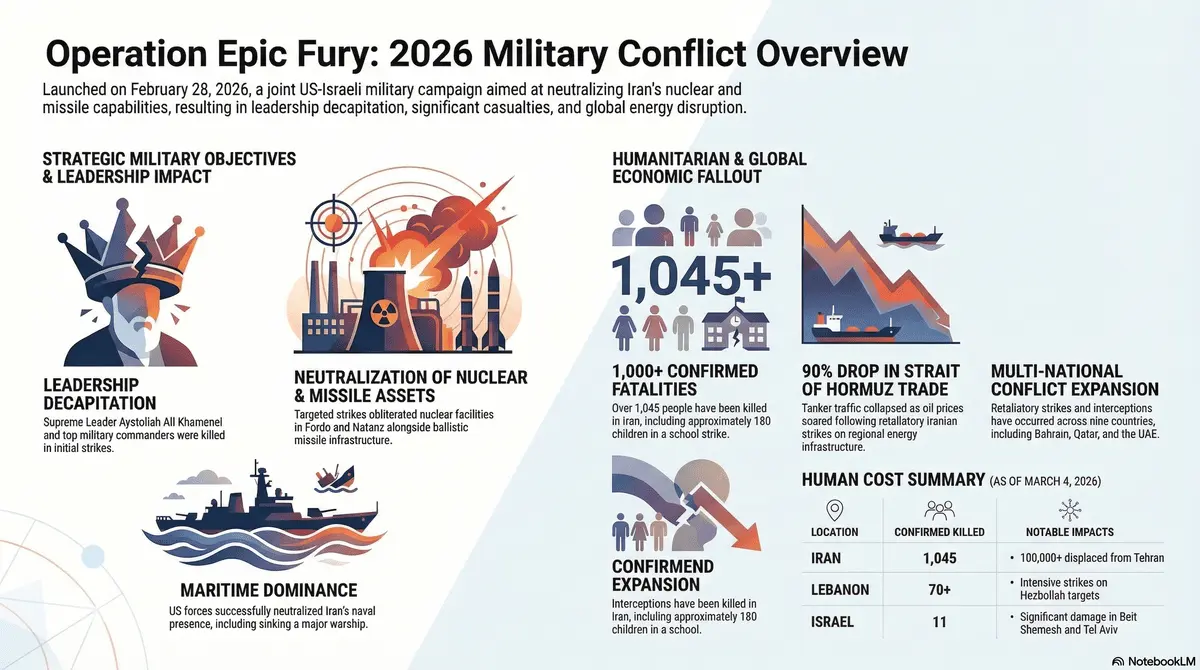
Washington/Tehran — The United States and Israel have initiated major combat operations against Iran, resulting in widespread casualties and regional instability. This military campaign, dubbed Operation Epic Fury, formally began on March 1, 2026. Retaliatory strikes by Iran have targeted multiple countries hosting US military bases, significantly impacting global shipping and energy markets.
Below is a detailed breakdown of the ongoing military operations, casualty reports, and geopolitical implications.
Context & Background
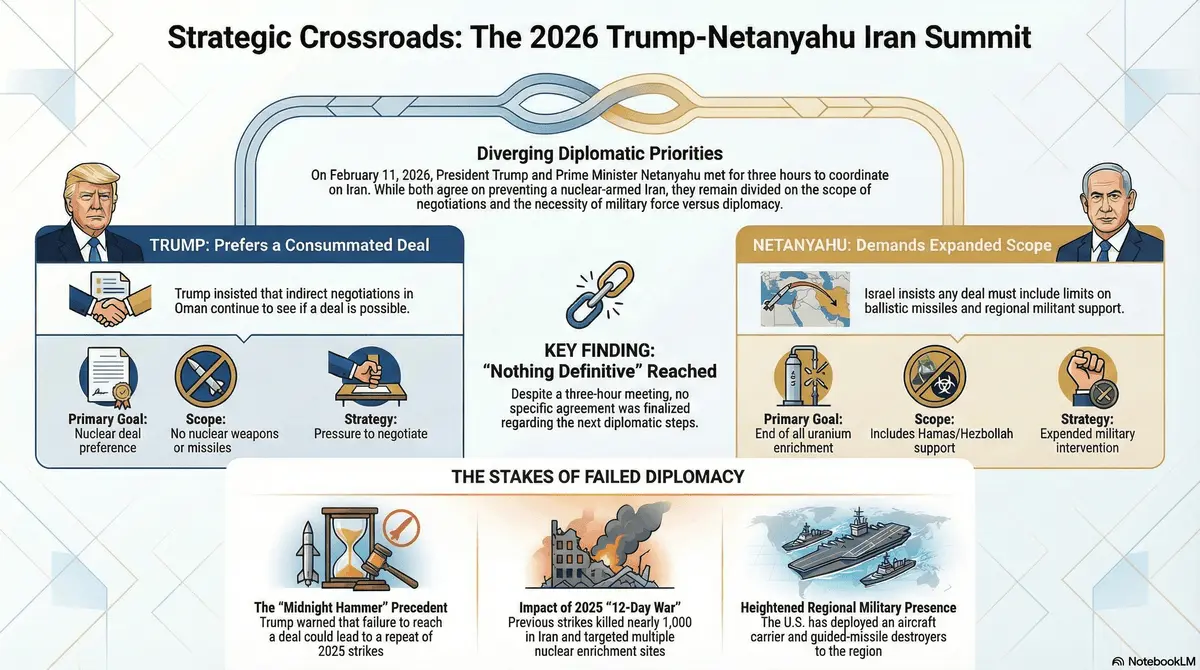
The Catalyst for Operation Epic Fury According to President Donald Trump, the United States launched this military campaign to neutralize the Iranian regime’s nuclear program and ballistic missile capabilities. The strikes follow the earlier Operation Midnight Hammer and aim to dismantle what the administration describes as Iran’s extensive proxy terror networks across the Middle East.
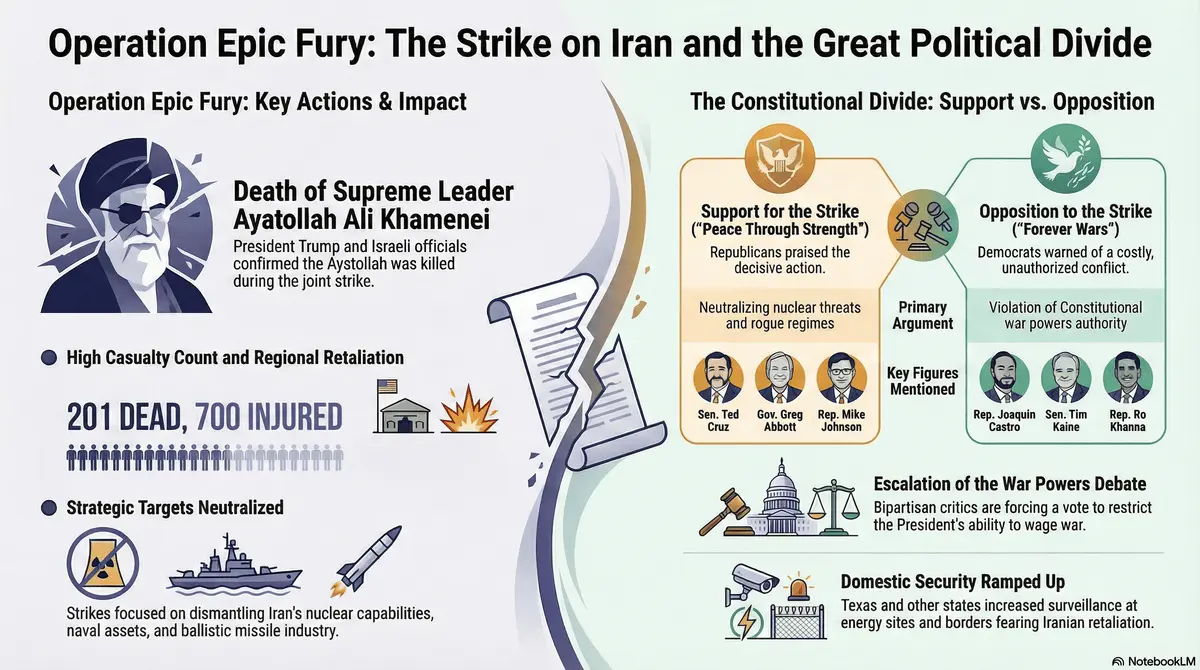
Key Figures Killed in Action The initial wave of attacks resulted in the death of Supreme Leader Ayatollah Ali Khamenei, ending his nearly 37-year rule. Other senior officials killed include army chief of staff General Abdol Rahim Mousavi and defence minister General Aziz Nasirzadeh, creating a significant leadership vacuum within the Islamic Republic.
Interim Leadership and Succession A temporary leadership council comprising reformist president Masoud Pezeshkian, judiciary head Gholamhossein Mohseni Ejei, and jurist Alireza Arafi has been formed to govern the country. The 88-member Assembly of Experts is tasked with selecting a new supreme leader, with Khamenei’s son, Mojtaba Khamenei, considered a potential successor.
Regional Retaliation In response to the US–Israeli strikes, Iran has launched waves of ballistic missiles and drones at Israel and at least 27 bases hosting US troops across the region. Countries targeted include Bahrain, Iraq, Kuwait, Qatar, and the United Arab Emirates, broadening the scope of the conflict significantly.
Q&A: Unpacking Operation Epic Fury
Q: How has the military conflict impacted the maritime and economic sectors?
A: The escalating war has severely disrupted global shipping and energy supplies, particularly around key maritime chokepoints.
- Strait of Hormuz Disruption: Tanker traffic has plummeted by approximately 90% following missile attacks on commercial vessels, such as a Maltese-flagged container ship.
- Naval Engagements: A US submarine successfully torpedoed and sank an Iranian warship in the Indian Ocean off the coast of Sri Lanka, resulting in at least 87 fatalities.
- Energy Market Volatility: Oil prices have spiked due to the ongoing hostilities, raising concerns about potential long-term impacts on the global economy.
Q: Why is the humanitarian toll escalating so rapidly across the region?
A: The widespread and intense nature of the strikes by all involved parties has led to significant civilian and military casualties across multiple nations.
- Iranian Casualties: Over 1,045 individuals have been killed in Iran, with significant civilian impacts reported, including a deadly strike on a girls’ school in Minab.
- Regional Fatalities: Retaliatory strikes have caused deaths in Lebanon, Israel, Kuwait, the United Arab Emirates, and Bahrain, alongside six US service members killed in action.
- Displaced Populations: The intensity of the bombings has forced an estimated 100,000 residents to flee Tehran, exacerbating the regional humanitarian crisis.
Q: How is the international community responding to the legality and execution of the strikes?
A: Global leaders are divided, with some fully endorsing the military operations and others raising significant legal and diplomatic concerns.
- Western Support: Several nations, including Australia and Canada’s conservative opposition, have expressed support for the US-led effort to prevent Iran from maintaining its current regime and obtaining a nuclear weapon.
- Legal Scrutiny: Canadian Prime Minister Mark Carney characterized the strikes as prima facie inconsistent with international law, noting the lack of UN consultation.
- Diplomatic Fallout: The attacks have strained allied relations, with Spain emphasizing a “no to war” position after facing trade threats from President Donald Trump over military cooperation disagreements.
Q: How is the Iranian military responding strategically to the US-Israeli bombardment?
A: Iran has utilized a decentralized command structure and widespread proxy networks to maintain continuous retaliatory pressure.
- Decentralized Operations: Iranian Foreign Minister Abbas Araghchi noted that military units are operating largely independently under general orders, potentially blunting the impact of strikes on central command hubs.
- Proxy Mobilization: Groups such as Hezbollah in Lebanon and militias like Kataib Hezbollah in Iraq have intensified rocket and drone attacks on Israel and US bases.
- Infrastructure Threats: The Islamic Revolutionary Guard Corps has threatened the complete destruction of regional military and economic infrastructure in retaliation for the ongoing assault.
Q: How are domestic politics in the United States influencing the ongoing military campaign?
A: The conflict has ignited intense political debate within the United States regarding executive war powers and strategic objectives.
- Executive Authority: President Donald Trump has asserted broad constitutional authority to execute Operation Epic Fury without prior congressional approval to eliminate imminent threats.
- Legislative Action: The US Senate recently voted against a resolution intended to curb the president’s ability to wage war on Iran, allowing the campaign to proceed.
- Bipartisan Reactions: While many lawmakers strongly support the administration’s decisive actions as necessary for national security, there remains scrutiny regarding the open-ended strategic timeline and risks to deployed personnel.
Editorial Note & Transparency
Verification Log:
- Government Press Release: White House official statements detailing Operation Epic Fury, strategic goals, and quoting political leaders.
- International News Agency: Reports from Al Jazeera, BBC, and AP News tracking casualties, geopolitical developments, and retaliatory strikes across the region.
- Broadcast Media: Transcripts and video summaries from PBS News, Sky News, and Fox News outlining the timeline of events, military analysis, and official addresses.
Compliance:
- Privacy: This article respects user data under our Privacy Policy.
- Transparency: No sponsored content influenced this reporting.
Contact Us: For corrections or feedback, please email: news.desk@qnanews.com