Author: Menka

  • New Research Exposes the Biological Link Between Sleep Disruption and Cognitive Decline

    New Research Exposes the Biological Link Between Sleep Disruption and Cognitive Decline

    Lexington/College Station — Recent scientific investigations have revealed how irregular sleep patterns directly contribute to neurodegenerative conditions like Alzheimer’s disease. Emerging data analyzed up through March 11, 2026, emphasizes that disrupted circadian rhythms and a lack of restorative sleep stages actively accelerate brain aging and trigger neuroinflammation.

    Below is a detailed examination of the mechanisms linking sleep to cognitive health and potential future interventions.

    Context & Background

    The Biological Mechanisms of Restorative Sleep Achieving genuinely restorative rest relies heavily on deep sleep and Rapid Eye Movement (R.E.M.) sleep, both of which are critical for long-term cognitive health. During these phases, the brain regulates hormones and utilizes the glymphatic system to flush out metabolic waste, including the amyloid proteins often implicated in dementia. Furthermore, R.E.M. sleep is vital for processing emotions and consolidating new memories gathered during waking hours.

    How Toxic Proteins Hijack Brain Energy A significant driver of Alzheimer’s disease is the accumulation of the tau protein, which researcher Shannon Macauley at the University of Kentucky notes can hijack the brain’s energy supply. Instead of generating normal energy from glucose, the brain produces glutamate, an excitatory neurotransmitter that keeps neurons overactive and prevents individuals from achieving deep, restorative sleep. This creates a cyclical deterioration where poor sleep worsens Alzheimer’s pathology, and the pathology further disrupts sleep.

    The Role of Microglia and Inflammation When circadian rhythms are consistently disrupted, microglia—the brain’s essential immune cells—begin to shift from their normal protective state into a stress-primed, inflammatory state. Research led by Karienn Souza at Texas A&M University demonstrates that this transformation impairs the immune cells’ ability to clear cellular debris, creating an environment where toxic proteins can accumulate and accelerate the onset of cognitive decline.

    The Goldilocks Rule for Sleep Consistency Scientists tracking sleep regularity have identified an inverted U-shaped curve concerning the production of brain-derived neurotrophic factor (BDNF), a protein crucial for neural adaptability and resilience. Both highly irregular sleep patterns and overly strict, rigid sleep schedules result in lower BDNF levels, suggesting the brain requires moderate consistency coupled with slight daily flexibility to optimize long-term cognitive health.

    Q&A: Unpacking Sleep and Dementia Risk

    Q: How do deficiencies in specific sleep phases physically damage long-term brain function?

    A: Lacking adequate deep and R.E.M. sleep prevents the brain from executing vital restorative processes, leading to toxic waste accumulation and severe memory impairment.

    • Glymphatic Clearance Failure: Insufficient deep sleep restricts the brain’s glymphatic system from flushing out metabolic waste, allowing dementia-linked amyloid proteins to build up over years.
    • Memory Processing Deficits: Without adequate R.E.M. sleep, the brain loses its primary mechanism for storing and updating new information or processing emotional experiences.
    • Executive Function Impact: Individuals who experience heavily disrupted sleep in their 30s and 40s are two to three times more likely to test lower in executive function and processing speeds a decade later.

    Q: Why does the early accumulation of tau protein result in clinical insomnia?

    A: Tau tangles disrupt normal brain metabolism, forcing neurons into an overexcited state that actively prevents the central nervous system from initiating deep sleep.

    • Metabolic Hijacking: Abnormally building tau redirects the brain’s standard glucose supply away from normal energy production.
    • Glutamate Overproduction: This rerouted fuel creates excess glutamate, a neurotransmitter that continuously stimulates neurons and keeps the brain on high alert.
    • Early Warning Sign: Because this metabolic hijacking occurs before tau fully clumps into tangles, severe insomnia often precedes clinical Alzheimer’s symptoms by many years.

    Q: How does chronic circadian disruption alter the brain’s natural immune defenses?

    A: Irregular sleep schedules force the brain’s primary immune cells into an abnormal structural state that promotes harmful inflammation rather than cellular repair.

    • Morphological Changes: Normal, tree-like microglia physically change into abnormal, stressed shapes when subjected to a disrupted circadian rhythm.
    • Debris Accumulation: These altered immune cells lose their efficiency and fail to properly filter out damaged cells, allowing toxins to build up in neural tissue.
    • Inflammatory Cascade: This structural shift turns the microglia into an inflammatory force, meaning the brain’s defense system inadvertently attacks its own tissue over time.

    Q: How are researchers attempting to repair damaged microglial cells to prevent cognitive decline?

    A: Scientists are developing targeted therapies using microscopic particles derived from stem cells to deliver corrective anti-inflammatory signals directly to the brain’s immune system.

    • Extracellular Vesicles: Researchers developed stem cell-derived extracellular vesicles to act as a therapeutic messaging system for compromised microglia.
    • Targeted Payload Delivery: These tiny particles carry proteins and signaling molecules specifically designed to stabilize erratic immune behavior.
    • Inflammation Reversal: The goal is to prevent the microglia from taking abnormal shapes and force them to return to their standard job of safely clearing neural debris.

    Q: How might the insomnia medication suvorexant be utilized to slow the progression of Alzheimer’s disease?

    A: Initial clinical trials led by Brendan Lucey at Washington University in St. Louis suggest that this common sleeping pill can rapidly reduce the concentration of specific harmful proteins in the central nervous system.

    • Beta-Amyloid Reduction: Participants who took suvorexant for two nights demonstrated a 10 to 20 percent decrease in beta-amyloid levels within their cerebrospinal fluid.
    • Tau Protein Alteration: The medication also temporarily reduced the accumulation of hyperphosphorylated tau proteins for up to 24 hours.
    • Clinical Limitations: At this time, the long-term efficacy of suvorexant as a preventative Alzheimer’s treatment remains unverified by official sources, and researchers caution that sleeping pills carry risks of dependence and reduced deep sleep quality.

    Editorial Note & Transparency

    Verification Log:

    • Scientific Journals: Research drawn from published studies on tau protein metabolism, microglial morphology, and BDNF regulation mapping sleep patterns to cognitive decline.
    • University Research: Data cross-referenced from ongoing trials at Texas A&M University, the University of Kentucky, and University of California–San Diego.
    • Medical Reports: Analysis of experimental treatments involving stem cell-derived extracellular vesicles and pharmaceutical interventions like suvorexant.

    Compliance:

    • Privacy: This article respects user data under our Privacy Policy.
    • Transparency: No sponsored content influenced this reporting.

    Contact Us: For corrections or feedback, please email: news.desk@qnanews.com

  • February 2026 CPI Report Shows Steady Inflation Before Geopolitical Oil Shock

    February 2026 CPI Report Shows Steady Inflation Before Geopolitical Oil Shock

    Washington, D.C. — Consumer prices rose in line with expectations last month, but the data predates a major geopolitical shock that has since sent energy costs soaring. The Bureau of Labor Statistics released the Consumer Price Index on March 11, 2026, revealing a 2.4% annual inflation rate. However, economists warn that recent oil spikes linked to the conflict with Iran will likely complicate the economic outlook and fuel higher costs broadly.

    Below is a detailed breakdown of the inflation report and its broader economic implications.

    Context & Background

    The February CPI Findings The February Consumer Price Index (CPI) increased by a seasonally adjusted 0.3% for the month, maintaining a 12-month headline inflation rate of 2.4%. While core inflation, which strips out volatile food and energy sectors, held steady at an annual rate of 2.5%, notable declines were seen in rent increases, which saw their smallest monthly jump since January 2021.

    The Impact of the Oil Shock The February data serves as a snapshot of the economy before the U.S. and Israel attack on Iran, which temporarily shuttered shipping lanes and drove crude oil prices as high as $115 per barrel. This energy shock is expected to heavily impact the March CPI report, as the national average for regular gasoline has already surged to $3.58 a gallon.

    Tariff and Supply Chain Pressures Ongoing tariff pressures continue to influence the prices of specific goods, with apparel experiencing a 1.3% monthly gain—its largest since September 2018. Furthermore, industrial metals like aluminum have surged nearly 10% due to supply fears in the Middle East, a region that supplies roughly 9% of the world’s aluminum.

    Federal Reserve Implications Jerome Powell and the Federal Reserve face a difficult scenario marked by rising energy costs and a cooling labor market, highlighted by the unexpected loss of 92,000 jobs in February. These competing pressures of potential stagflation complicate the timeline for any anticipated interest rate cuts, likely keeping the central bank on hold during their upcoming policy meetings.

    Q&A: Unpacking The Inflation Report and Oil Shock

    Q: How might the sudden spike in crude oil prices cascade through the broader U.S. economy?

    A: The rapid escalation of oil prices threatens to reverse recent progress on inflation by increasing operational costs across multiple sectors.

    • Transportation Costs: Sustained gains in crude prices quickly increase the cost of gasoline and diesel, directly impacting shipping and freight expenses.
    • Consumer Goods Impact: Higher transportation costs inevitably filter down to a wide range of everyday consumer goods, from groceries to household furnishings.
    • Consumer Spending Squeeze: With gas prices reaching $3.58 per gallon, household budgets are tightened, which could slow the consumer spending that drives two-thirds of the nation’s economic growth.

    Q: Why are economists warning of a potential “stagflation” scenario in the coming months?

    A: A combination of geopolitical shocks and domestic labor weakness is creating a complex environment of rising prices and slowing economic growth.

    • Energy-Driven Inflation: The conflict in the Middle East is pushing headline inflation higher due to severe disruptions in global oil markets.
    • Labor Market Contraction: The unexpected loss of 92,000 jobs in February points to a softening labor market that contrasts sharply with rising energy costs.
    • Policy Gridlock: This dynamic makes it exceptionally difficult for the Federal Reserve to cut interest rates to stimulate employment without risking further inflation.

    Q: How is the Federal Reserve expected to navigate the conflicting data on inflation and employment?

    A: The central bank will likely maintain its current interest rates while closely monitoring the duration and severity of the geopolitical crisis.

    • Rate Hold Probability: Traders assign a nearly 100% probability that the Federal Reserve will keep its benchmark federal funds rate steady at its next meeting on March 17-18.
    • Delayed Easing: The combination of oil shocks and uncertain tariff policies has pushed back market expectations for the next rate reduction to September.
    • Dual Mandate Struggle: Policymakers must carefully weigh their mandate to maximize employment against their duty to control inflation, a calculation complicated by recent job losses.

    Q: Why did shelter and rent prices show such significant moderation in the latest report?

    A: The heavily weighted shelter component of the CPI indicated a cooling trend that initially offered hope to inflation-weary consumers.

    • Rent Deceleration: Rent rose by a mere 0.1% in February, marking the smallest monthly increase since January 2021.
    • Annual Shelter Index: The overall shelter index posted a modest 0.2% monthly increase, bringing its annual rate down to 3%.
    • Index Weighting Context: Because shelter is the single-biggest component of the CPI, this moderation was the primary reason core inflation remained steady before the oil shock.

    Q: How are ongoing tariff disputes influencing the cost of consumer goods and industrial materials?

    A: Trade policies and tariffs are creating uneven price pressures across different sectors of the economy, independent of energy costs.

    • Apparel Price Spikes: Clothing costs, which are highly sensitive to tariff pressures, jumped 1.3% in February alone.
    • Industrial Metal Surges: Supply fears and tariffs have driven up the cost of raw materials like aluminum, which is critical for infrastructure and technology.
    • Pending Tariff Refunds: At this time, the exact timing and execution of up to $175 billion in potential tariff refunds remains unverified by official sources.

    Editorial Note & Transparency

    Verification Log:

    • Financial News Outlet: CNBC provided detailed breakdowns of the February CPI report and market reactions.
    • Broadcast Network: Fox Business contributed analysis on the Federal Reserve rate expectations and labor market data.
    • Wire Service: The Associated Press reported on the macroeconomic impact of the Iran conflict and corresponding oil price spikes.

    Compliance:

    • Privacy: This article respects user data under our Privacy Policy.
    • Transparency: No sponsored content influenced this reporting.

    Contact Us: For corrections or feedback, please email: news.desk@qnanews.com

  • IEA Announces Historic Release of 400 Million Barrels of Emergency Oil Reserves

    IEA Announces Historic Release of 400 Million Barrels of Emergency Oil Reserves

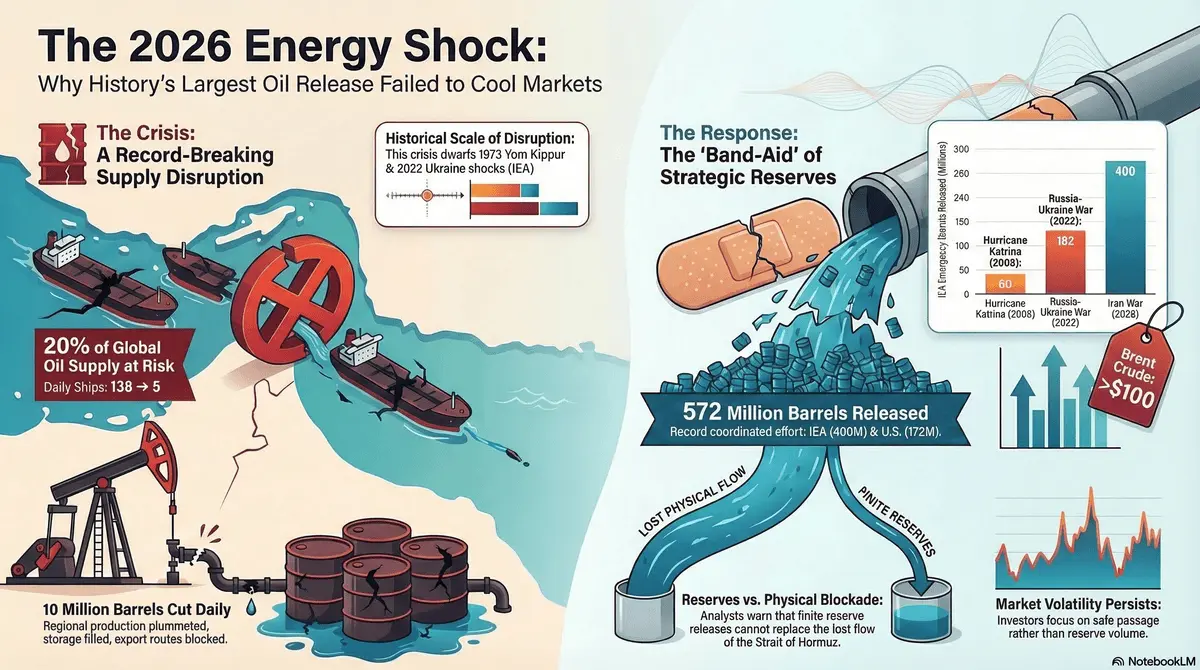
    Paris/Washington — The International Energy Agency has coordinated an unprecedented release of emergency crude oil stockpiles to stabilize global markets disrupted by the ongoing war in the Middle East. The unanimous decision by 32 member nations was finalized on March 11, 2026, pledging to introduce 400 million barrels into the global supply. This intervention is the largest in the agency’s history, driven by severe transit restrictions in the Strait of Hormuz.

    Below is a detailed examination of the historic oil release and its economic implications.

    Context & Background

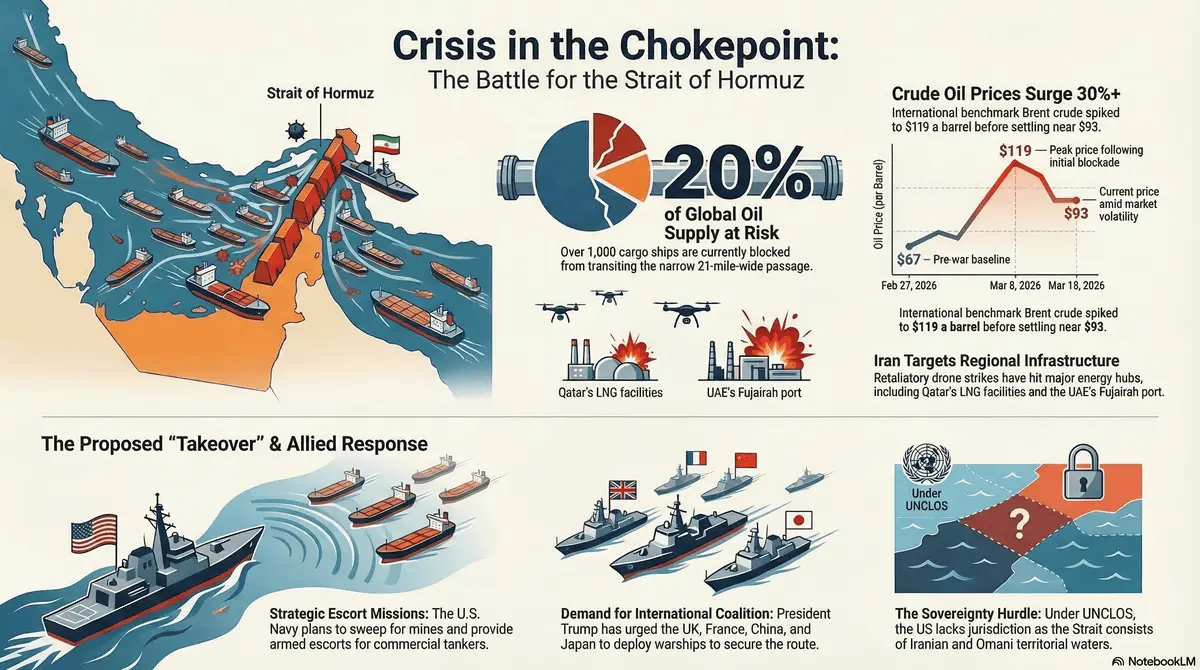
    What precipitated the emergency reserve release? The coordinated release follows the outbreak of the United StatesIsrael war with Iran that began on Feb. 28, 2026. Since the conflict initiated, Iran has effectively blocked the Strait of Hormuz, halting the flow of oil tankers through a critical maritime bottleneck that handles roughly 20 to 25 percent of the world’s daily oil supply. Consequently, global benchmark Brent crude oil surged to nearly $120 a barrel, prompting the International Energy Agency to intervene.

    The role of the International Energy Agency The International Energy Agency, headquartered in Paris, was established in 1974 following the Arab oil embargo to protect consumer nations from supply disruptions. Under current agreements, the 32 member nations are required to hold emergency stockpiles equal to 90 days of net imports. Collectively, these members control approximately 1.2 billion barrels in government reserves, with an additional 600 million barrels held by the industry.

    Historical significance of the intervention This marks only the sixth time the International Energy Agency has authorized a coordinated stock release. The volume of 400 million barrels is more than double the previous record of 182 million barrels released in 2022 following Russia‘s invasion of Ukraine. Executive Director Fatih Birol emphasized that the scale of current market challenges is unprecedented, necessitating this monumental collective action.

    Contributions from major nations While the release is a collective effort, the United States will contribute the largest portion by tapping 172 million barrels from its Strategic Petroleum Reserve. Other significant commitments include South Korea offering 22.46 million barrels and the United Kingdom contributing 13.5 million barrels. Germany, Austria, and Japan have also confirmed their participation in the historic drawdown.

    Q&A: Unpacking The Oil Reserve Release

    Q: How will the logistics of the oil release affect the timeline of market stabilization?

    A: The physical delivery of the stockpiled oil faces significant logistical hurdles, meaning market relief will not be immediate.

    • Delivery Estimates: Energy analysts suggest it will take between 60 to 90 days for the newly released oil to meaningfully enter the market.
    • United States Timeline: The Department of Energy stated that the delivery of the 172 million barrels from the United States will commence next week and take roughly 120 days to complete.
    • Refining Capacity: Producers will make the crude available for refineries to order, but a shortage of global refining capacity may further slow the conversion to usable fuel products.
    • Pipeline Constraints: Experts note that distribution is physically limited by pipeline capacity, which restricts how quickly the oil can flow from reserves to end-users.

    Q: Why have initial market reactions shown skepticism toward the price relief efforts?

    A: Despite the historic announcement, crude oil prices actually rose following the confirmation of the reserve release.

    • Volume Deficit: Analysts argue the release, equivalent to roughly three or four days of global supply, only closes a fraction of the 20 million barrels per day deficit caused by the Strait of Hormuz closure.
    • Finite Strategy: Stockpile releases are one-time solutions, prompting fears about future buffer capacity if the war continues for an extended period.
    • Transit Centrality: Industry leaders acknowledge that reserves cannot structurally substitute the resumption of regular transit through the currently blockaded waterways.

    Q: How has the war fundamentally disrupted regional oil production beyond shipping?

    A: The inability to export oil via traditional maritime routes has triggered severe operational bottlenecks for major Middle Eastern producers.

    • Storage Exhaustion: Nations like Iraq, Kuwait, and the United Arab Emirates have been forced to cut production because they are running out of physical storage space for their crude.
    • Infrastructure Damage: Iran, Israel, and the United States have executed strikes on energy-related infrastructure, including refineries and fuel tanks, further exacerbating regional supply constraints.
    • Alternative Routes: Producers are attempting to redirect some exports, such as utilizing a pipeline across Saudi Arabia to the Red Sea, but these alternatives lack the capacity to replace the primary maritime route.

    Q: Why does the United States maintain the largest stockpile despite being a net exporter?

    A: The United States holds massive reserves to shield its economy from global price volatility, despite its robust domestic production.

    • Regulatory Exemption: As a net exporter, the United States is technically exempt from the International Energy Agency mandate requiring 90 days of reserve imports.
    • Market Vulnerability: Because oil is globally priced, the United States remains vulnerable to international price spikes, necessitating the 715-million-barrel capacity Strategic Petroleum Reserve for economic buffering.
    • Refill Challenges: Previous administrations, including those of Donald Trump and Joe Biden, have attempted to refill the reserve, but underground salt cavern damage has hindered replenishment efforts.

    Q: How might the ongoing conflict necessitate future energy rationing?

    A: Prolonged hostilities could exhaust emergency stockpiles, leading governments to consider restricting energy use for non-essential consumers.

    • Depletion Risks: At this time, the exact date when current reserve levels will reach critical depletion points remains unverified by official sources, but prolonged conflict threatens the global buffer.
    • Natural Gas Shortages: The reserve release does not address the 20 percent slump in liquid natural gas supplies, a market the International Energy Agency describes as “very challenging”.
    • Priority Distribution: Former BP strategy head Nick Butler stated that the United Kingdom might need to implement rationing to guarantee that priority users receive necessary supplies.

    Editorial Note & Transparency

    Verification Log:

    • Government Statements: Announcements from the International Energy Agency and the United States Department of Energy regarding the reserve release volume and timeline.
    • Market Data: Pricing benchmarks for Brent and West Texas Intermediate crude oil sourced from financial and commodities reporting.
    • Expert Analysis: Commentary from energy analysts and university researchers regarding logistical constraints and market impacts.

    Compliance:

    • Privacy: This article respects user data under our Privacy Policy.
    • Transparency: No sponsored content influenced this reporting.

    Contact Us: For corrections or feedback, please email: news.desk@qnanews.com

  • Escalating Conflict in the Strait of Hormuz and Global Energy Ramifications

    Escalating Conflict in the Strait of Hormuz and Global Energy Ramifications

    Dubai, United Arab Emirates — Suspected Iranian projectiles struck at least three commercial cargo vessels navigating the strategically vital Strait of Hormuz, intensifying a global energy crisis. The attacks occurred on March 11, 2026, marking a significant escalation in the ongoing military conflict involving the United States, Israel, and Iran. The assaults on shipping infrastructure have effectively halted regional cargo transit, prompting international organizations to authorize unprecedented emergency petroleum releases.

    Below is a detailed examination of the maritime attacks, energy market disruptions, and geopolitical consequences.

    Context & Background

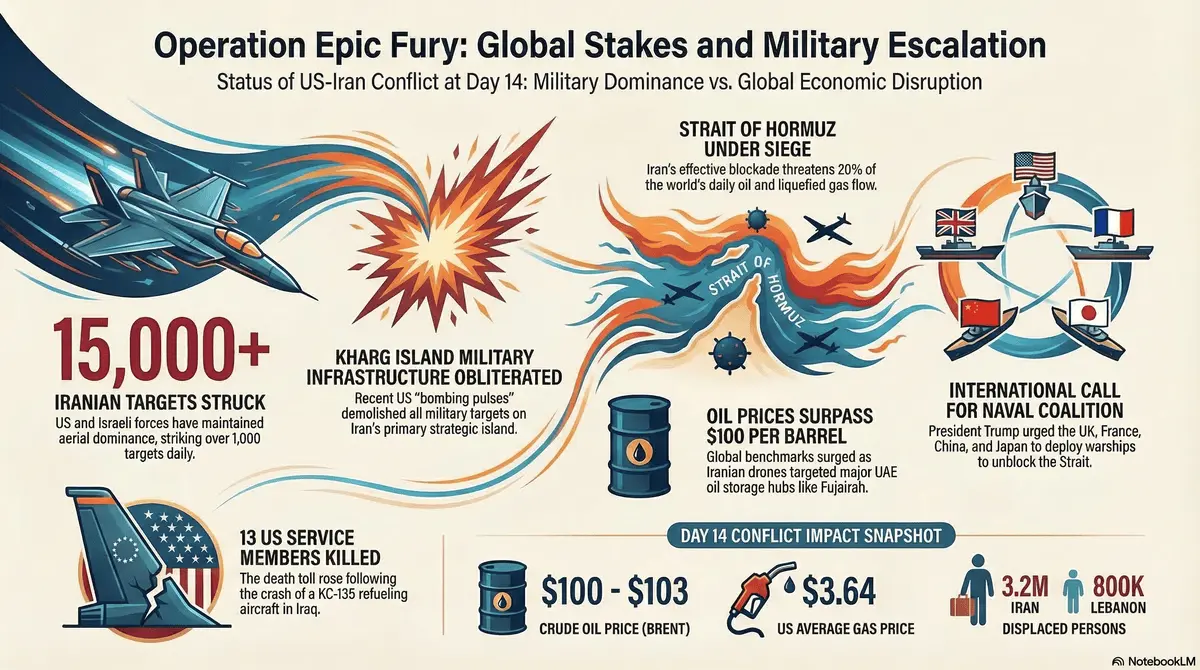
    How did the current maritime conflict begin? The military confrontation commenced on Feb. 28, when the United States and Israel initiated a joint aerial bombardment campaign against Iran dubbed “Operation Epic Fury”. In response to the extensive airstrikes targeting Iranian military and leadership assets, Iran launched a retaliation campaign focused on commercial shipping and regional energy infrastructure to inflict economic pressure on its adversaries.

    Who are the key players in the Strait of Hormuz crisis? The primary state actors involve the armed forces of the United States and Israel combating the military and naval forces of Iran. Iranian military spokespersons, such as Ebrahim Zolfaqari, have declared that any vessels supplying the United States or Israel are legitimate targets. Concurrently, United States President Donald Trump has authorized strikes against Iranian naval assets, including the destruction of sixteen minelayer vessels.

    Why is the Strait of Hormuz economically significant? The Strait of Hormuz is a narrow maritime corridor connecting the Persian Gulf and the Gulf of Oman, functioning as one of the most critical global energy chokepoints. Approximately one-fifth of the world’s traded oil and liquefied natural gas typically passes through this passage. The effective closure of the waterway by Iran has paralyzed supply chains and triggered severe volatility in international energy markets.

    What are the international energy interventions? To counteract the supply shock caused by the blockade in the Middle East, the International Energy Agency authorized the largest emergency oil release in its history. Member nations agreed to release 400 million barrels of stockpiled petroleum to stabilize crude prices, with the United States contributing 172 million barrels from its Strategic Petroleum Reserve under the direction of Energy Secretary Chris Wright.

    Q&A: Unpacking the Strait of Hormuz Crisis

    Q: How is the Iranian military executing its blockade of commercial shipping?

    A: The military forces of Iran are utilizing a combination of projectile strikes, drone swarms, and potential naval mines to deter maritime traffic.

    • Targeted Projectile Strikes: Authorities reported that the Thailand-flagged Mayuree Naree, the Japan-flagged One Majesty, and the Marshall Islands-flagged Star Gwyneth were all struck by projectiles or drones near the Strait of Hormuz and Oman.
    • Naval Mine Depletion: The United States military sank sixteen Iranian minelaying vessels near the Strait of Hormuz, aiming to prevent the mining of the vital shipping waterway.
    • Unverified Sea Mine Status: At this time, the exact number and location of active naval mines deployed by Iran remains unverified by official sources.

    Q: Why did the International Energy Agency intervene in the global oil market?

    A: The agency implemented a historic emergency release of petroleum reserves to mitigate dramatic price fluctuations and supply shortages stemming from the Gulf conflict.

    • Market Volatility Mitigation: The conflict drove Brent crude prices up by 20% since the war began, prompting fears that prices could surge to $200 per barrel as threatened by Iran.
    • Record Reserve Release: Director Fatih Birol announced a 400 million barrel release from the emergency stocks of 32 member countries to alleviate immediate disruptions.
    • United States Contribution: Energy Secretary Chris Wright confirmed the United States would release 172 million barrels from its Strategic Petroleum Reserve over 120 days.

    Q: How has the conflict impacted the internal political and leadership structure of Iran?

    A: The joint airstrikes have inflicted heavy casualties on Iranian leadership, leading to the rapid succession and reported injury of the new supreme leader.

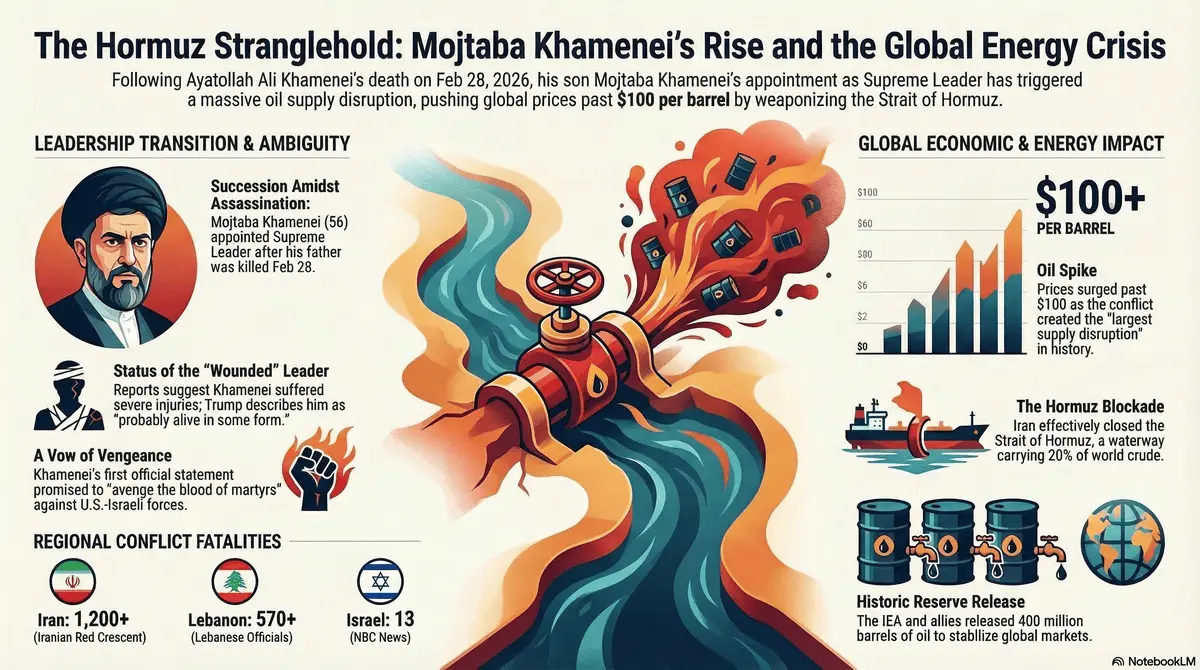
    • Leadership Casualties: The initial United States and Israel bombings on Feb. 28 resulted in the death of Ayatollah Ali Khamenei and several of his family members.
    • Successor Injuries: The new supreme leader, Mojtaba Khamenei, was reportedly wounded in the same airstrike, sustaining injuries to his limbs.
    • Regime Continuity: Despite the extensive bombardment, United States intelligence assessments suggest that the clerical leadership of Iran retains control and is not at immediate risk of collapse.

    Q: Why has the United States faced scrutiny over its aerial bombardment campaign?

    A: A preliminary military investigation revealed that a deadly strike on a civilian target in Iran was caused by intelligence failures.

    • Civilian Casualties: A United States Tomahawk cruise missile struck an Iranian girls’ school, resulting in the deaths of approximately 175 people, primarily students.
    • Intelligence Errors: Officials disclosed that the tragic incident resulted from a targeting error caused by the reliance on outdated intelligence data that misidentified the school as a military installation.
    • Artificial Intelligence Integration: The miscalculation occurred as the United States Central Command, under Admiral Brad Cooper, increasingly leverages artificial intelligence to rapidly identify and authorize thousands of strike targets across Iran.

    Q: How is the conflict expanding beyond the immediate borders of Iran and Israel?

    A: The war has triggered a broader regional crisis, involving proxy group engagements, refugee displacement, and attacks on neighboring infrastructure.

    • Lebanese Humanitarian Crisis: Cross-border fighting between Israel and Hezbollah has devastated Lebanon, resulting in over 600 deaths and the internal displacement of over 750,000 civilians.
    • Gulf Infrastructure Attacks: Iran has expanded its targeting to include neighboring nations, launching drone strikes near the international airport in Dubai and hitting oil storage facilities in Salalah, Oman.
    • Coordinated Operations: The Islamic Revolutionary Guard Corps executed its first joint operation with Hezbollah, coordinating simultaneous missile and drone launches against Israel.

    Editorial Note & Transparency

    Verification Log:

    • Mainstream Media Outlets: News reports from established agencies like AP News, Reuters, CBS News, and NPR detailing military operations and geopolitical statements.
    • Government Statements: Official announcements from the United States military, the International Energy Agency, and international defense ministries regarding casualty figures and reserve releases.
    • Maritime Security Data: Tracking data from groups such as the United Kingdom Maritime Trade Operations confirming incidents involving commercial vessels.

    Compliance:

    • Privacy: This article respects user data under our Privacy Policy.
    • Transparency: No sponsored content influenced this reporting.

    Contact Us: For corrections or feedback, please email: news.desk@qnanews.com

  • Escalating Conflict in the Strait of Hormuz Disrupts Global Oil Markets

    Escalating Conflict in the Strait of Hormuz Disrupts Global Oil Markets

    Dubai/Washington — Multiple commercial vessels have been struck by projectiles in the Strait of Hormuz amidst an ongoing war between the United States, Israel, and Iran. On March 11, 2026, authorities confirmed that three cargo ships were attacked off the coast of Iran, effectively halting transit through the vital maritime corridor. In response to the crisis, the International Energy Agency and the United States government have announced massive releases from their strategic petroleum reserves to stabilize soaring energy prices.

    Below is a detailed examination of the maritime attacks, energy market impacts, and regional security dynamics.

    Context & Background

    How did the current conflict start? The hostilities began on Feb. 28, 2026, when the United States and Israel launched a coordinated military campaign against Iran. The initial airstrikes resulted in the death of Iran’s Supreme Leader, Ali Khamenei, prompting Tehran to retaliate by targeting regional infrastructure and commercial shipping. The United States initiated the operation, dubbed Operation Epic Fury, to eliminate threats from the Iranian regime and its military apparatus.

    The strategic significance of the Strait of Hormuz The Strait of Hormuz is a narrow waterway connecting the Persian Gulf and the Gulf of Oman, serving as a critical global energy artery. Approximately 20% of the world’s traded oil and natural gas typically passes through this maritime corridor. Its effective closure by Iranian military actions has severely disrupted the global supply chain and triggered widespread economic anxiety.

    The key players and international response Iran’s Islamic Revolutionary Guard Corps has actively targeted international shipping, while the United States military has countered by destroying Iranian minelaying vessels. To mitigate the economic fallout, the International Energy Agency, led by Fatih Birol, authorized the release of 400 million barrels of emergency oil. Concurrently, U.S. Energy Secretary Chris Wright announced that the United States will release 172 million barrels from the Strategic Petroleum Reserve.

    Q&A: Unpacking the Strait of Hormuz Crisis

    Q: How is the disruption in the Strait of Hormuz impacting global energy markets?

    A: The effective closure of the waterway has sparked a sharp increase in global oil prices and prompted unprecedented emergency interventions.

    • Price Surge: Crude oil prices briefly jumped to nearly $120 a barrel, driving the United States national average for gasoline up to $3.59 per gallon.
    • Supply Shock Mitigation: The International Energy Agency unanimously agreed to release 400 million barrels of oil, representing the largest emergency release in its history.
    • Reserve Drawdown: President Donald Trump authorized the release of 172 million barrels from the Strategic Petroleum Reserve to ease domestic fuel costs.
    • Export Interruption: Oil shipments from Saudi Arabia and Iraq have been severely choked off, though Iran continues to export its own crude through the corridor.

    Q: Why is Iran targeting commercial shipping in the Persian Gulf?

    A: The attacks are a retaliatory strategy aimed at inflicting economic pain on the United States and its allies to force an end to the military campaign.

    • Economic Leverage: Iran seeks to trigger global economic chaos and manipulate regional security to demonstrate its leverage over international energy supplies.
    • Military Objectives: The Islamic Revolutionary Guard Corps explicitly stated it will not allow oil to pass through the strait for the benefit of the United States or Israel.
    • Target Range: Missiles and drones have hit vessels flagged to various nations, including a Thai-flagged bulk freighter, the Mayuree Naree, which caught fire after an explosion.

    Q: How are the United States and Israel conducting their military operations?

    A: The allied forces are utilizing advanced technology and widespread airstrikes to systematically dismantle Iranian military infrastructure.

    • Targeted Destruction: United States Central Command, under Admiral Brad Cooper, reported striking over 5,500 targets, including taking out an entire class of Iranian warships and 16 minelaying vessels.
    • AI Integration: The United States military is employing advanced artificial intelligence tools to rapidly process data and identify strike targets in seconds.
    • Multi-Front Engagement: While the United States focuses on Iran, Israel is conducting simultaneous, large-scale strikes against Hezbollah infrastructure in Lebanon and Beirut.

    Q: Why are Gulf nations and international organizations expressing alarm over the conflict?

    A: The war’s expansion threatens the sovereign security of neighboring states and risks triggering a severe humanitarian and economic catastrophe.

    • Regional Spillover: Countries such as the United Arab Emirates, Kuwait, and Qatar have been forced to intercept incoming Iranian missiles and drones targeting their airspace and oil fields.
    • Diplomatic Condemnation: The United Nations Security Council voted 13-0 to demand a halt to Iran’s “egregious attacks” on its Gulf neighbors, though Russia and China abstained.
    • Infrastructure Threats: Drones have struck near major civilian hubs, including the Dubai International Airport, resulting in minor injuries and highlighting the vulnerability of the region.

    Q: How is the Iranian leadership responding to the ongoing bombardment?

    A: Iranian officials have adopted a defiant stance while managing internal leadership transitions following the deaths of key figures.

    • Defiant Posturing: President Masoud Pezeshkian demanded security guarantees and reparations from the United States and Israel as a condition for peace.
    • Leadership Succession: Following the death of Ali Khamenei, his son Mojtaba Khamenei was selected as the new supreme leader, despite reports that he was injured in the initial airstrikes.
    • Unverified Status: At this time, the exact severity of Mojtaba Khamenei’s injuries remains unverified by official sources.

    Editorial Note & Transparency

    Verification Log:

    • Military Command Bulletins: Cross-referenced statements from U.S. Central Command and the Israel Defense Forces regarding military targets and strike data.
    • Economic Data Centers: Verified crude oil pricing fluctuations and strategic petroleum reserve release metrics from the International Energy Agency.
    • Official Diplomatic Broadcasts: Monitored press conferences and official releases from the United Nations Security Council and regional government ministries.

    Compliance:

    • Privacy: This article respects user data under our Privacy Policy.
    • Transparency: No sponsored content influenced this reporting.

    Contact Us: For corrections or feedback, please email: news.desk@qnanews.com

  • Oil Prices Surge Amid Energy Infrastructure Disruptions

    Oil Prices Surge Amid Energy Infrastructure Disruptions

    New York/Washington — The global oil market has experienced severe disruptions following military actions in the Middle East, pushing crude oil prices temporarily above the $100 per barrel mark. This surge occurred after strikes initiated on February 28, 2026, targeting infrastructure across the region. Gas prices in the United States have reached their highest levels since mid-2024, raising concerns about broader economic impacts and consumer affordability.

    Below is a detailed examination of the conflict’s impact on global energy markets and infrastructure.

    Context & Background

    How did this conflict affect the global oil supply? The ongoing war has severely restricted marine traffic through the Strait of Hormuz, a critical chokepoint handling approximately 20% of the world’s petroleum consumption. With this vital passage compromised by the threat of drone attacks, global supply chains are heavily disrupted, causing a sharp reduction in available crude oil and pushing up prices.

    The key infrastructure at risk The conflict has directly impacted critical regional facilities, including the Ras Laffan liquefied natural gas terminal in Qatar, which halted exports after a drone strike. Other significant disruptions include fires at the Ras Tanura refinery in Saudi Arabia and the suspension of production at the Leviathan natural gas field in Israel.

    Historical significance of the price surge This marks the first time that West Texas Intermediate and Brent crude oil prices have breached the $100 per barrel threshold since the 2022 Russian invasion of Ukraine. While the 2008 financial crisis saw the highest recorded prices at over $145 a barrel, the current rapid spike represents one of the most significant energy market shocks since the 1990 Gulf War.

    Why this matters for everyday consumers Surging oil prices directly translate to higher transportation costs, pushing the average price of regular gasoline in the United States to approximately $3.54 per gallon. This increase threatens to exacerbate inflation, potentially raising the costs of daily essentials like groceries and driving up expenses for the aviation and agricultural industries.

    Q&A: Unpacking the Global Oil Crisis

    Q: How are rising oil prices expected to impact the global food supply chain?

    A: Elevated energy costs are anticipated to trigger a butterfly effect across the agricultural and grocery sectors by increasing operational and transportation expenses.

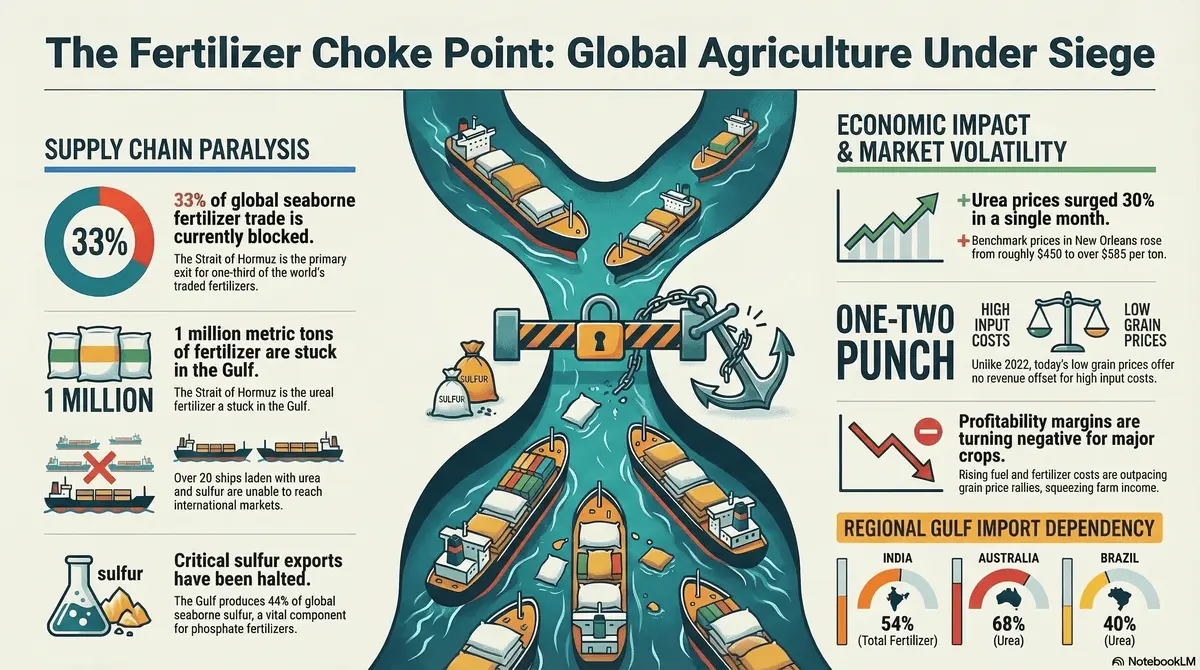
    • Fertilizer Costs: Natural gas is a foundational ingredient for fertilizer production, and the current energy crunch has already caused suppliers to halt deliveries and hike prices.
    • Transportation Expenses: Higher diesel fuel prices, which have jumped significantly, directly increase the cost of trucking and shipping agricultural goods to markets.
    • Consumer Pricing: Grocers and producers facing margin compressions will likely pass these elevated logistical costs onto inflation-weary consumers.

    Q: Why is the Strait of Hormuz so critical to the stabilization of global energy markets?

    A: The narrow waterway is the primary maritime route for Middle Eastern oil and gas exports, lacking sufficient alternative pipelines to make up for a complete closure.

    • Volume Significance: Over 20 million barrels of oil transit through the strait daily, representing a fifth of all global petroleum consumption.
    • Alternative Route Limitations: Bypass options, such as Saudi Arabia‘s East-West pipeline or the United Arab Emirates‘ Fujairah pipeline, only offer a combined capacity of about 4.7 million barrels per day.
    • Targeted Blockades: At this time, the exact timeline for the resumption of safe passage remains unverified by official sources, as operators anchor ships to avoid cheap drones and hidden launch sites.

    Q: How have the U.S. and Iranian governments responded to the escalating economic threats?

    A: Both nations are utilizing military and economic posturing, with the United States making direct threats and Iran targeting energy exports to exert pressure.

    • Iranian Retaliation: Iranian officials declared no oil would leave the Middle East until bombardments cease, targeting regional infrastructure to leverage fossil fuels as a weapon of war.
    • U.S. Countermeasures: President Donald Trump and Defense Secretary Pete Hegseth threatened to hit Iran harder if it continues to block the waterway, while the administration considers using naval convoys to protect tankers.
    • Strategic Reserves: To combat the price spike, Western countries are discussing the potential release of oil from strategic stockpiles established after the 1970s oil crisis.

    Q: Why might the current oil price shock lead to broader global economic instability?

    A: Prolonged high energy costs historically correlate with economic slowdowns due to reduced discretionary spending and increased operational burdens for businesses.

    • Inflationary Pressures: Economists warn that the direct pass-through of higher oil costs could push United States inflation back above the 3% mark.
    • Industrial Impacts: Energy-intensive sectors, such as microchip manufacturing in Taiwan and artificial intelligence infrastructure development, face significant cost increases.
    • Historical Precedent: Major oil shocks, such as those in 1973, 1978, and 1990, have consistently preceded forms of global recession or stagflation.

    Q: How are different regions around the world uniquely affected by the fuel supply disruptions?

    A: While oil-producing nations face infrastructure damage, import-heavy regions are struggling with immediate price surges and potential supply rationing.

    • Asian Markets: Because roughly 89% of oil flowing through the Strait of Hormuz is bound for countries like China, India, and Japan, the region is facing acute shortages, prompting some governments to enact rationing measures.
    • European Aviation: Europe relies on the Persian Gulf for about half of its jet fuel, causing regional aviation fuel prices to nearly double since the conflict began.
    • American Consumers: While the United States is a top producer, its consumers are primarily experiencing the shock at the gas pump, where prices remain highly volatile.

    Editorial Note & Transparency

    Verification Log:

    • Energy Industry Data: Gathered from the Energy Information Administration and American Automobile Association regarding fuel prices and historical oil shocks.
    • Geopolitical Analysis: Statements and strategic insights drawn from expert interviews, including independent researchers and global macroeconomic analysts.
    • Market Monitoring: Real-time commodity tracking sourced from global finance platforms mapping the price per barrel of Brent and WTI crude.

    Compliance:

    • Privacy: This article respects user data under our Privacy Policy.
    • Transparency: No sponsored content influenced this reporting.

    Contact Us: For corrections or feedback, please email: news.desk@qnanews.com

  • Colorectal Cancer Rates Surge Among Younger Adults as Medical Experts Emphasize Early Screening and Prevention

    Colorectal Cancer Rates Surge Among Younger Adults as Medical Experts Emphasize Early Screening and Prevention

    Atlanta/New York — Medical professionals nationwide are raising alarms over the increasing incidence of colorectal cancer among younger demographics, a group traditionally considered low-risk. Clinical observations highlight a concerning upward trend heading into March 10, 2026, which marks a critical point in National Colorectal Cancer Awareness Month. Recent high-profile deaths in younger adults have brought this issue to the forefront, prompting gastroenterologists to aggressively advocate for proactive screening and lifestyle interventions.

    Below is a detailed examination of the rising rates, diagnostic symptoms, and preventative strategies surrounding colorectal cancer.

    Context & Background

    What is driving the rise in early-onset cases? While the exact biological cause remains under active investigation, medical experts attribute the increase heavily to shifting lifestyle factors and modern diets. Physicians point to rising rates of obesity, sedentary lifestyles, and the heavy consumption of ultra-processed foods as primary contributors that disrupt gut health.

    The historical shift in patient demographics For decades, colorectal cancer was predominantly viewed as an affliction of older adults, with screening traditionally beginning past the age of 50. However, recent data indicates that incidence rates in individuals under 50 have increased significantly, with nearly half of all new cases now occurring in adults under 65.

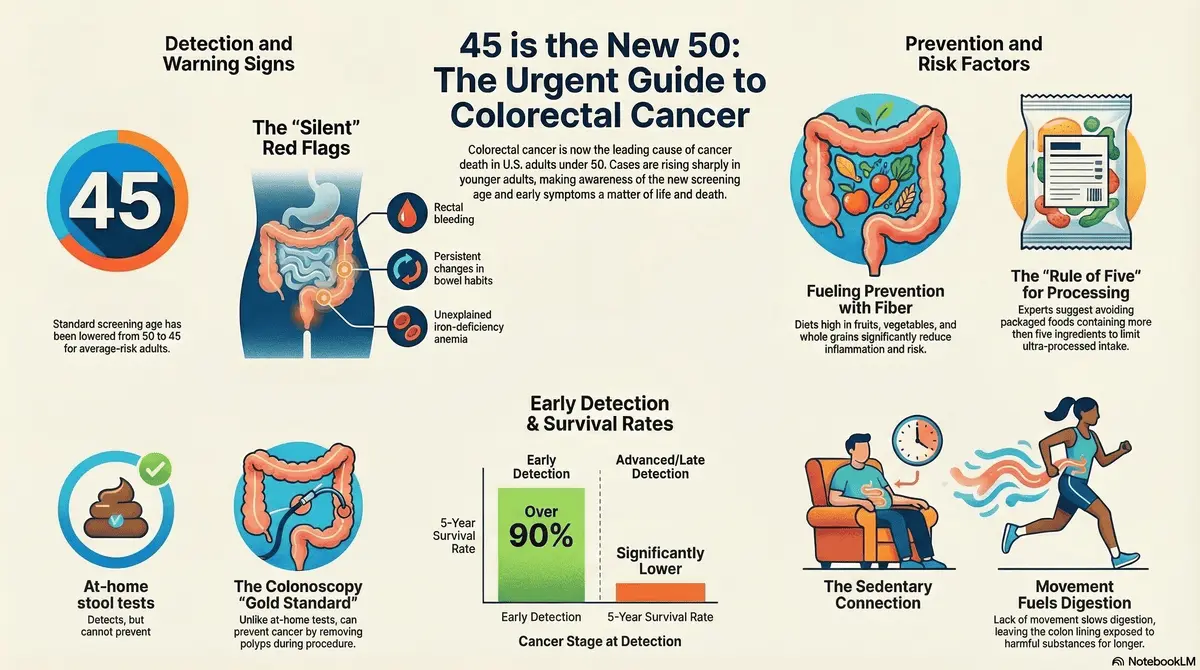
    Why early detection matters Colorectal cancer often develops silently over several years without obvious early symptoms, but it is highly preventable when precancerous polyps are identified and removed. When captured early, the five-year survival rate for colorectal cancer is over 90%, underscoring the critical, life-saving nature of timely colonoscopy screenings.

    The key players in clinical prevention Leading medical institutions and gastroenterologists, including Dr. Steve Georgopoulos of NYU Langone and Dr. Samir Gupta of UC San Diego Health, are actively reshaping public screening protocols. Organizations like the American Cancer Society now strongly recommend that average-risk adults begin routine screening at age 45 rather than waiting until age 50.

    Q&A: Unpacking Colorectal Cancer Prevention and Diagnosis

    Q: Why are doctors specifically monitoring everyday digestive habits to detect this cancer?

    A: Routine digestive functions serve as the earliest, most direct indicators of cellular damage or physical blockages in the digestive tract.

    • Blood Detection: Blood in the stool, whether bright red or dark, is a primary warning sign that is dangerously often mistaken for benign conditions like hemorrhoids.
    • Bowel Changes: Persistent changes in bowel habits, including chronic constipation, diarrhea, or an unproductive urge to defecate, can indicate a tumor occupying space in the rectum.
    • Pain Patterns: Unexplained, persistent abdominal pain, particularly on the left side, may signal a bulky mass limiting the normal passage of stool.

    Q: How do lifestyle and dietary choices biologically impact the colon’s vulnerability to cancer?

    A: Sedentary behavior and nutrient-poor diets alter the gut microbiome and drastically slow digestion, increasing the colon lining’s exposure to harmful substances.

    • Microbiome Disruption: Diets high in processed foods and low in natural fiber disturb the balance of bacteria needed to produce vital anti-inflammatory compounds.
    • Digestive Speed: Physical inactivity slows digestive motility, meaning potentially carcinogenic waste remains in contact with the colon lining for much longer durations.
    • Nutritional Deficits: A lack of whole grains, fruits, and vegetables deprives the colon of essential nutrients that support a consistently healthy gut environment.

    Q: How does a colonoscopy function as both a diagnostic and preventative medical tool?

    A: Unlike many cancer screenings that only detect existing malignancies, a colonoscopy allows doctors to physically intervene before cancer can fully develop.

    • Polyp Removal: Physicians can visually locate and immediately remove precancerous polyps during the procedure, stopping cancer before it begins.
    • Visual Assessment: Utilizing a flexible tube with a digital camera, doctors thoroughly examine the entire colon, ensuring accurate and comprehensive evaluation.
    • Technological Integration: Advanced facilities, such as Billings Clinic Bozeman, are now using FDA-cleared AI tools like the GI Genius module to highlight subtle areas that might otherwise go unnoticed by the human eye.

    Q: Why might patients present with systemic symptoms like severe fatigue rather than localized digestive issues?

    A: Tumors can cause insidious, hidden effects on the body’s overall resources before ever causing a direct physical blockage in the digestive tract.

    • Hidden Bleeding: Slow, internal blood loss from a tumor at the start of the colon can lead to iron deficiency anemia, manifesting as severe fatigue, shortness of breath, and weakness.
    • Nutrient Absorption: Cancer can impair the digestive system’s biological ability to properly absorb essential nutrients, leading to rapid, unintentional weight loss.
    • Metabolic Drain: The presence of a malignancy often affects appetite and metabolic function, contributing to a sudden drop in body weight without conscious dietary changes.

    Q: How are medical professionals addressing the rising incidence among younger, asymptomatic patients?

    A: The medical community is rapidly shifting baseline guidelines and urging heightened clinical vigilance to catch the disease in demographics previously considered safe.

    • Guideline Adjustments: The recommended age for average-risk screening has been officially lowered from 50 to 45 by major health organizations, including the Centers for Disease Control and Prevention.
    • Symptom Evaluation: Doctors, including Dr. Derek Ebner at the Mayo Clinic, advise thoroughly investigating symptoms like rectal bleeding in younger patients rather than immediately assuming benign causes.
    • Genetic Profiling: Patients with a family history or inherited conditions are being directed to specialized high-risk programs for earlier and significantly more frequent screening schedules.

    Editorial Note & Transparency

    Verification Log:

    • Clinical Guidelines: Sourced from official statements by the American Cancer Society, the Centers for Disease Control and Prevention, and medical professionals at UC San Diego Health and the Mayo Clinic.
    • Statistical Data: Incidence rate trends among adults under 50 verified through epidemiological reports cited by multiple oncologists and gastroenterologists.
    • Symptom Profiles: Diagnostic criteria corroborated by clinical experts including Dr. Derek Ebner, Dr. Samir Gupta, and Dr. Steve Georgopoulos.

    Compliance:

    • Privacy: This article respects user data under our Privacy Policy.
    • Transparency: No sponsored content influenced this reporting.

    Contact Us: For corrections or feedback, please email: news.desk@qnanews.com

  • Escalating Conflict: Iranian Cluster Munitions and Coordinated Strikes Target Israel

    Escalating Conflict: Iranian Cluster Munitions and Coordinated Strikes Target Israel

    Tel AvivIsrael faces a complex and deadly challenge as Iran utilizes cluster munitions during coordinated missile strikes across central and northern regions. The strikes represent a significant escalation on March 10, 2026, marking the eleventh day of the ongoing conflict involving the United States, Israel, and Iran. Unexploded submunitions have proven lethal to civilians, prompting urgent warnings from military authorities regarding the lingering threat.

    Below is a detailed examination of the escalating missile threats and coordinated military strategies.

    Context & Background

    What triggered this recent escalation? The conflict, which includes the United States and Israel launching a joint military campaign, prompted retaliatory strikes from Iran. Iran and its proxy forces have subsequently synchronized their attacks, heavily targeting the northern and central regions of Israel, including Tel Aviv and Jerusalem. These coordinated strike strategies mark a severe intensification of regional hostilities and have stretched defensive capabilities.

    The role of cluster munitions Military officials report that roughly half of the projectiles launched by Iran toward Israel are cluster munitions. These weapons disperse dozens of smaller explosive bomblets over wide areas, maximizing the threat to unprotected civilian targets. This creates a deadly challenge for Israel‘s air defense systems, as intercepting the parent missile is nearly impossible once the submunitions have scattered.

    Impact on civilian populations The continuous missile barrages have resulted in significant casualties, with 14 civilians killed and over 2,339 injured in Israel since the start of the conflict. The use of submunitions leaves unexploded ordnance scattered across populated areas, acting essentially as land mines. These unexploded devices continue to threaten civilians returning from shelters long after the initial air raids have ended.

    Q&A: Unpacking The Iranian Missile Strategy

    Q: WHY are cluster munitions particularly difficult for Israeli air defenses to intercept?

    A: Once the parent munition disperses its payload, traditional defense systems cannot effectively target the numerous small bomblets.

    • High-Altitude Release: The missiles release submunitions at an altitude of 4 to 6 miles, spreading them across large distances.
    • System Limitations: The Arrow system is effective against intact ballistic missiles, but neither it nor the Iron Dome is designed to intercept dozens of small, scattered explosives.
    • Wide Dispersion: According to N.R. Jenzen-Jones, the design of these weapons scatters the bomblets so widely that they act indiscriminately over a massive area.

    Q: HOW are regional proxy forces coordinating their military operations with Iran?

    A: Allied militia groups have integrated their tactical strikes with Iran, synchronizing drone and rocket launches to overwhelm Israel‘s defenses.

    • Simultaneous Launches: Researcher Kobi Michael notes that rockets originating from Lebanon are frequently fired at the exact same time as ballistic missiles from Iran.
    • Guerrilla Tactics: Militant fighters in Lebanon are returning to small-unit guerrilla warfare and rationing anti-tank rockets to prepare for potential ground invasions.
    • Strategic Positioning: Elite fighters have moved back toward Khiyam near the border of Lebanon and Israel to anticipate ground maneuvers.

    Q: WHY are the unexploded bomblets from these strikes considered a lingering hazard?

    A: A high failure rate in detonation leaves active explosives scattered on the ground that can trigger easily when disturbed.

    • Dud Rate Danger: Submunitions fail to explode on initial impact more frequently than standard warheads, turning them into volatile hazards similar to land mines.
    • Civilian Vulnerability: Because these munitions target densely populated areas like Tel Aviv, civilians returning from shelters are at high risk of stepping on or handling them.
    • Official Warnings: The military and local police in Israel have had to issue urgent flyers and public service announcements warning residents not to touch unexploded ordnance.

    Q: HOW has the international community historically viewed the use of cluster munitions?

    A: These weapons are broadly condemned and restricted due to their indiscriminate nature and long-term danger to non-combatants.

    • International Convention: Over 120 nations have signed the Convention on Cluster Munitions, which bans their use, though Israel, the United States, and Iran are not signatories.
    • Humanitarian Law: Organizations such as Amnesty International have cited the deliberate use of such indiscriminate weapons as a blatant violation of international humanitarian law.
    • Historical Precedent: These weapons have been utilized in numerous global conflicts, including by Israel in Lebanon in 2006, leaving hazardous remnants that required extensive demining.

    Q: HOW are political leaders responding to the trajectory of the ongoing war?

    A: Leadership rhetoric indicates a prolonged military engagement despite some allied predictions of an imminent conclusion.

    • Domestic Determination: Prime Minister Benjamin Netanyahu warned that the military offensive against Iran is not yet finished.
    • Allied Stance: President Donald Trump has insisted that the conflict will be over soon, highlighting a potential discrepancy in allied timelines.
    • Command Decisions: At this time, whether the new leader of Iran, Mojtaba Khamenei, directly commanded the deployment of cluster munitions remains unverified by official sources.

    Editorial Note & Transparency

    Verification Log:

    • Military Analysis Reports: Data from the Alma Research and Education Center tracking attack waves, casualties, and regional targets.
    • International News Wires: Associated Press reporting on the technical specifications and civilian impact of cluster munitions.
    • Security Expert Interviews: Fox News interviews with national security experts detailing the coordinated strike strategies between Iran and its allies.

    Compliance:

    • Privacy: This article respects user data under our Privacy Policy.
    • Transparency: No sponsored content influenced this reporting.

    Contact Us: For corrections or feedback, please email: news.desk@qnanews.com

  • At Least Six Dead in Suspected Deliberate Bus Fire in Switzerland

    At Least Six Dead in Suspected Deliberate Bus Fire in Switzerland

    Kerzers, Switzerland — At least six people have been killed and five others injured after a regional transport bus was completely engulfed in flames. Authorities suspect a deliberate act caused the devastating blaze on Tuesday, March 10, 2026. A criminal investigation is currently underway as emergency services continue to secure the scene and treat the survivors.

    Below is a detailed examination of the incident, the ongoing investigation, and the broader context of recent tragedies in the region.

    Context & Background

    The Incident Timeline The fire erupted shortly before the bus reached its final stop around 6:25 p.m. local time on the main street of Kerzers, a town west of the capital, Bern. The vehicle, operated by the national postal service’s PostBus network, had traveled from the municipality of Düdingen. Upon arrival, emergency responders found the bus totally consumed by flames and immediately initiated rescue and extinguishing operations while establishing a security perimeter.

    The Ongoing Investigation Authorities, including the public prosecutor’s office, have opened a criminal investigation to determine the exact circumstances of the tragedy. Fribourg cantonal police spokesperson Frederic Papaux stated that current evidence suggests a man-made incident, and potentially a deliberate act committed by an individual inside the vehicle.

    PostBus Significance The targeted vehicle belongs to the PostBus fleet, a crucial component of Swiss rural infrastructure. These distinctive yellow buses are utilized by approximately 500,000 passengers daily, connecting remote areas to larger towns while also transporting mail. Their widespread use, particularly among schoolchildren, underscores the significant public impact of this event.

    Recent National Tragedies This event marks the second mass-casualty fire in Switzerland within a span of three months. Earlier this year, an accidental fire at a New Year’s Eve celebration in a Crans-Montana ski resort bar claimed 41 lives and injured over a hundred others. Swiss President Guy Parmelin publicly expressed his shock and sorrow that the nation is mourning victims of another severe fire so soon after the previous disaster.

    Q&A: Unpacking the Kerzers Bus Fire

    Q: How are emergency responders and medical teams managing the casualties?

    A: Medical personnel rapidly triaged the victims, deploying air and ground transport to manage severe injuries.

    • Helicopter Evacuation: At least one critically injured patient was airlifted to a regional hospital for advanced care.
    • Ambulance Transport: Ground ambulances transported other severely injured passengers to nearby medical facilities.
    • On-Site Triage: Two individuals with less severe injuries received immediate medical evaluation and treatment at the scene.
    • Family Support: Police established a dedicated hotline to provide information and psychological support to the relatives of those involved.

    Q: Why do authorities suspect this fire was the result of a deliberate act?

    A: Preliminary police findings point to an intentional ignition from within the passenger cabin rather than a mechanical failure or traffic collision.

    • Single Vehicle Involvement: Investigators confirmed no other vehicles were involved in the incident, ruling out a multi-vehicle collision as the catalyst.
    • Internal Ignition Source: Elements discovered by rescue teams suggest the fire was started by an individual already inside the bus.
    • Witness Accounts: At this time, reports that a person doused themselves in gasoline remain unverified by official sources.

    Q: How is the investigation into the exact cause of the fire proceeding?

    A: Local police and public prosecutors are collaborating to secure the scene, identify victims, and determine the precise sequence of events.

    • Criminal Inquiry: The Public Prosecutor’s Office has formally opened a criminal investigation into the tragedy.
    • Scene Preservation: Fire investigators cordoned off the charred shell of the bus with white tarpaulins and barriers to preserve forensic evidence.
    • Victim Identification: Authorities are actively working to formally identify the deceased, a process complicated by the severity of the fire.

    Q: How does the PostBus network integrate into the daily lives of Swiss citizens?

    A: The network is a fundamental pillar of public transportation and logistics, especially in regions outside major metropolitan centers.

    • High Ridership: The service accommodates roughly half a million passengers every day.
    • Vulnerable Demographics: A significant portion of the daily ridership consists of schoolchildren commuting to and from educational institutions.
    • Dual Utility: Beyond passenger transport, these buses concurrently carry letters and parcels, maintaining vital logistical links for remote communities.

    Q: Why has this incident amplified national grief and political responses in Switzerland?

    A: The Kerzers bus fire compounds the unresolved trauma from a separate, highly lethal fire that occurred just weeks prior.

    • Compounding Trauma: The nation is still reeling from the Crans-Montana bar fire on New Year’s Eve, which resulted in 41 fatalities.
    • Presidential Address: Swiss President Guy Parmelin issued a public statement lamenting the recurring loss of life to severe fires within the country.
    • Corporate Mourning: The PostBus operator publicly expressed deep sorrow and immediately mobilized psychological support teams for its staff.

    Editorial Note & Transparency

    Verification Log:

    • News Agencies: Reports from The Associated Press, Reuters, and Agence France-Presse provided on-the-ground details and preliminary findings.
    • Local Authorities: Fribourg cantonal police, including spokesperson Frederic Papaux, supplied official casualty figures and investigation updates.
    • Government Officials: Statements from Swiss President Guy Parmelin provided national context regarding recent tragedies.

    Compliance:

    • Privacy: This article respects user data under our Privacy Policy.
    • Transparency: No sponsored content influenced this reporting.

    Contact Us: For corrections or feedback, please email: news.desk@qnanews.com

  • Georgia 14th Congressional District Special Election Advances to Runoff

    Georgia 14th Congressional District Special Election Advances to Runoff

    Rome, Georgia / Atlanta, Georgia — Democrat Shawn Harris and Republican Clayton Fuller are heading to a runoff election to fill the vacant seat previously held by former Representative Marjorie Taylor Greene. The general primary yielded no clear majority on March 10, 2026, triggering a head-to-head contest scheduled for April 7, 2026. The race is closely watched as a gauge of former President Donald Trump‘s political influence and could impact the narrow Republican majority in the U.S. House of Representatives.

    Below is a detailed examination of the candidates, the district’s political landscape, and the broader implications of this race.

    Context & Background

    How did this vacancy occur? The seat for Georgia’s 14th Congressional District became vacant when Marjorie Taylor Greene resigned in January. Her departure followed a highly public break with Donald Trump over issues including foreign policy regarding Iran and the release of documents related to Jeffrey Epstein. This fracture ultimately created an open special election featuring a crowded field of 17 candidates spanning multiple parties.

    Who are the key candidates? The runoff will feature Democrat Shawn Harris, a retired Army brigadier general and cattle farmer who previously challenged Marjorie Taylor Greene in 2024. He faces Republican Clayton Fuller, a local district attorney, Air National Guard officer, and former White House fellow who received a crucial endorsement from Donald Trump in February.

    What is the historical significance of this district? The district, located in northwest Georgia, is heavily conservative and widely considered a safe Republican stronghold where Donald Trump carried 68 percent of the vote in 2024. Despite the deep-red demographics, Shawn Harris led the initial vote tally with over 37 percent of the vote due to the fragmentation of the conservative base across multiple candidates, including right-wing figure Colton Moore.

    Why does this runoff matter? Beyond replacing a high-profile conservative figure, the outcome of this race will impact the narrow Republican majority in the House, which currently stands at 218 to 214 seats. Furthermore, it serves as a critical test of Donald Trump‘s endorsement power, particularly as Clayton Fuller seeks to unify the conservative electorate against a unified Democratic coalition in the coming weeks.

    Q&A: Unpacking The Georgia Special Election

    Q: How did the crowded primary field impact the election results?

    A: The presence of numerous candidates splintered the conservative vote, allowing the leading Democrat to secure a slight plurality.

    • Democratic Consolidation: Shawn Harris benefited from a unified Democratic base, capturing 37.3 percent of the vote as the primary candidate of his party.
    • Republican Fragmentation: The inclusion of nine Republican candidates, such as former state senator Colton Moore, divided the majority conservative electorate, preventing any single Republican from breaking 50 percent.
    • Runoff Trigger: Because no single candidate secured an outright majority on March 10, 2026, the top two vote-getters automatically advanced to the final contest.

    Q: Why was Donald Trump’s endorsement crucial for Clayton Fuller?

    A: The endorsement elevated Clayton Fuller above other conservative contenders by signaling official alignment with the MAGA movement.

    • Endorsement Boost: Donald Trump publicly backed Clayton Fuller during a rally in Rome, Georgia, which the candidate subsequently described as “rocket fuel” for his campaign.
    • Voter Alignment: Many constituents in the district look to Donald Trump for guidance, citing a desire for a representative who will firmly support his America First agenda rather than prioritizing personal celebrity.
    • Candidate Differentiation: In a field where multiple candidates claimed loyalty to the former president, the official endorsement helped Clayton Fuller bypass hardline challengers and establish himself as the presumptive conservative choice.

    Q: How is Shawn Harris attempting to flip a deep-red district?

    A: Shawn Harris is leveraging a moderate platform and significant fundraising to appeal to a broad coalition of voters disillusioned with partisan extremes.

    • Coalition Building: He aims to attract Democrats, independents, and moderate Republicans who are seeking a departure from the combative style of Marjorie Taylor Greene.
    • Financial Advantage: His campaign has raised over $4.3 million, giving him a substantial financial edge over his opponents heading into the runoff.
    • Focus on Local Issues: Shawn Harris is emphasizing practical economic concerns, such as the cost of groceries and living expenses, over national partisan grievances.

    Q: Why did Marjorie Taylor Greene resign from this seat?

    A: Her resignation followed escalating tensions and a public fracture with Donald Trump over various policy and political disagreements.

    • Epstein Files Dispute: A significant breaking point was her criticism of Donald Trump‘s reluctance to release documents related to convicted sex offender Jeffrey Epstein.
    • Foreign Policy Clashes: She vocally opposed the administration’s foreign policy actions, particularly concerning military strikes and potential conflict involving Iran.
    • Primary Threat: Donald Trump eventually threatened to support a primary challenge against her, prompting her to step down in January to avoid a divisive intra-party battle.

    Q: How does the voting system for overseas military personnel differ from the general electorate in this race?

    A: Georgia employs ranked-choice voting for military and overseas voters to streamline the runoff process, despite Republican opposition to the system domestically.

    • Instant Runoff Mechanism: Military voters submit a ranked-choice ballot that automatically reassigns their vote to their next preference if no candidate wins an outright majority, acting as an instant runoff.
    • Logistical Necessity: This method ensures that military personnel deployed overseas have their votes counted within the federally mandated 45-day window without needing to wait for a second physical ballot.
    • Political Controversy: While utilized effectively for overseas service members in Georgia, ranked-choice voting remains highly contested, with many Republican lawmakers actively pushing to ban its use for the general public.

    Editorial Note & Transparency

    Verification Log:

    • Local & National Reporting: Coverage utilized from local affiliates (Local 3 News, WTVC) and national broadcasters (NPR, PBS News) to confirm election mechanisms and candidate statements.
    • Election Data: Vote percentages and runoff confirmations sourced from the Associated Press Decision Team.
    • Candidate Statements: Direct quotes and campaign strategies gathered from post-election watch parties and verified public appearances in Rome, Georgia.

    Compliance:

    • Privacy: This article respects user data under our Privacy Policy.
    • Transparency: No sponsored content influenced this reporting.

    Contact Us: For corrections or feedback, please email: news.desk@qnanews.com